
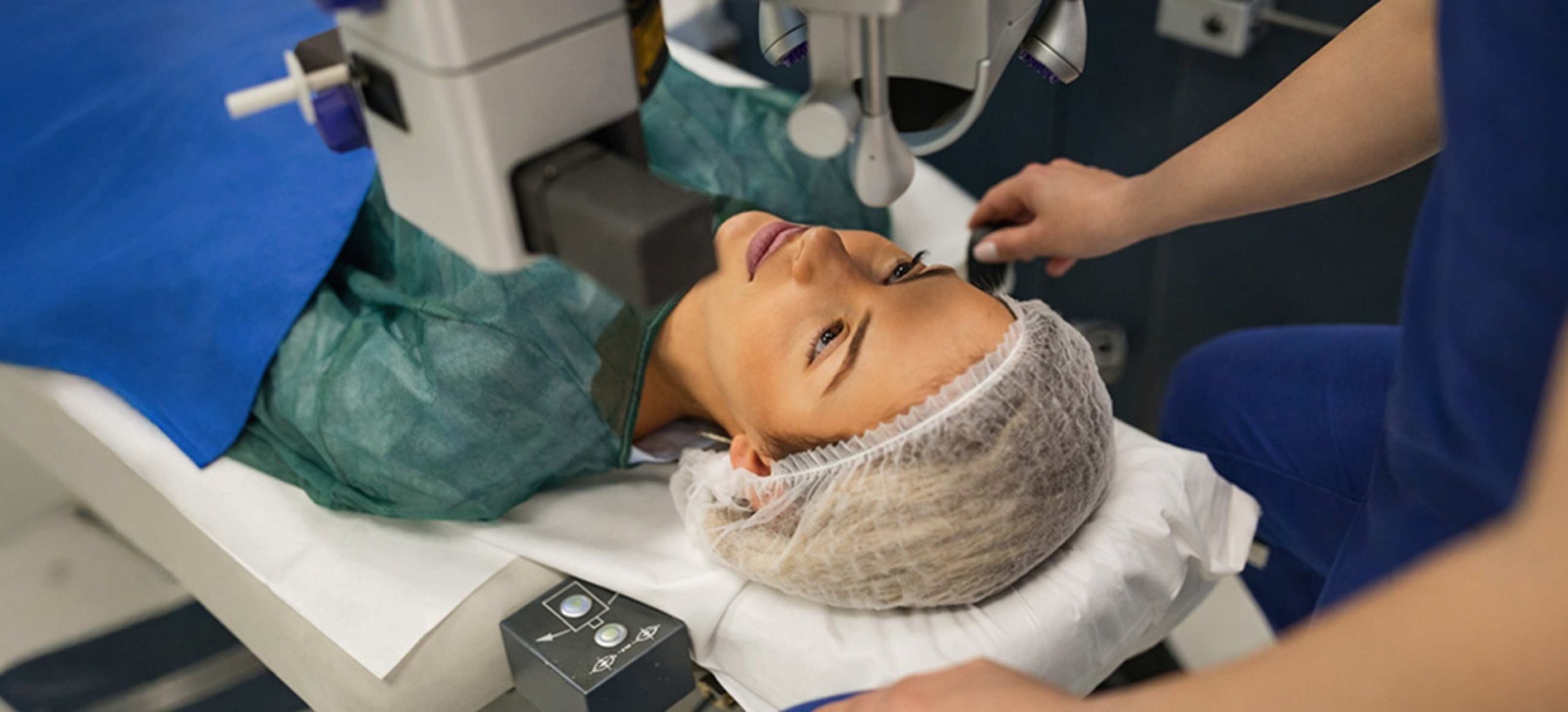
High myopia represents one of the most challenging refractive errors to manage effectively, often requiring specialized surgical interventions when conventional correction methods fall short. Phakic intraocular lens implantation has emerged as a revolutionary solution for individuals with severe nearsightedness, offering exceptional visual outcomes while preserving the eye’s natural lens. This advanced surgical technique provides hope for patients who previously had limited options for achieving clear, comfortable vision without dependence on thick glasses or specialized contact lenses.
Table of Contents
ToggleWhat is High Myopia and Why Might Phakic Lens Treatment Be Necessary?
High myopia is a severe form of nearsightedness characterized by a refractive error exceeding -6.00 diopters, though many eye care professionals consider myopia above -8.00 to -10.00 diopters as truly high myopia. This condition occurs when the eyeball is significantly longer than normal or the cornea has excessive curvature, causing light rays to focus in front of the retina rather than directly on it. Unlike mild to moderate myopia, high myopia presents unique challenges and increased risks for various ocular complications.
Individuals with high myopia experience profound difficulty seeing distant objects clearly, often requiring extremely thick corrective lenses that can be cosmetically unappealing and functionally limiting. The condition typically develops during childhood and may continue progressing into adulthood, potentially reaching levels where conventional laser eye surgery becomes unsuitable or unsafe. High myopia is associated with increased risks of retinal detachment, glaucoma, cataracts, and myopic maculopathy, making regular monitoring and appropriate management crucial.
Phakic lens treatment becomes necessary when traditional correction methods prove inadequate or impractical. Patients with prescriptions exceeding -8.00 diopters often find that glasses create significant visual distortion, weight discomfort, and aesthetic concerns. Contact lenses may provide better visual quality but can be challenging to fit properly in highly myopic eyes, and some patients develop intolerance or complications from long-term wear. Additionally, conventional LASIK surgery has limitations for high myopia due to the excessive amount of corneal tissue that would need removal, potentially compromising corneal structural integrity.
What Exactly is Phakic Intraocular Lens and How Does It Work?
A phakic intraocular lens is a specialized artificial lens surgically implanted inside the eye while preserving the natural crystalline lens. Unlike traditional intraocular lenses used in cataract surgery that replace the natural lens, phakic IOLs work in conjunction with the eye’s existing lens to correct refractive errors.
The (Phakic IOL) functions by altering the eye’s optical system to redirect light rays properly onto the retina. When implanted in the posterior chamber between the iris and natural lens, the phakic IOL provides the additional refractive power needed to compensate for the eye’s excessive length or corneal curvature. The lens remains permanently positioned and invisible to both the patient and observers, creating a natural appearance while delivering exceptional visual acuity.
The surgical procedure involves creating small incisions in the cornea through which the folded (Phakic IOL) is inserted and carefully positioned. Modern phakic lenses feature innovative designs with central holes or ports that facilitate natural aqueous humor flow, maintaining healthy intraocular pressure and reducing the risk of complications. The implantation process typically takes 10-15 minutes per eye and is performed under topical anesthesia, making it a relatively comfortable procedure.
One of the most significant advantages of phakic IOL technology is its reversibility. Unlike laser vision correction procedures that permanently alter corneal structure, (Phakic IOL) implantation can be reversed if necessary, though this is rarely required. The lens can also be exchanged for a different power if the patient’s prescription changes significantly over time, providing long-term flexibility in vision management.
Who is Suitable for Phakic Lens Treatment and Who is Not?
Ideal candidates for phakic lens treatment typically include adults aged 21-45 with stable high myopia ranging up to -25.00 diopters, though some lenses can correct even higher prescriptions. The patient’s refractive error should remain stable for at least one year prior to surgery, indicating that their myopia has stopped progressing. Adequate anterior chamber depth is crucial, as insufficient space between the cornea and natural lens can increase complication risks and contraindicate the procedure.
Suitable candidates must have healthy corneal endothelium with adequate cell density to maintain long-term corneal clarity. The endothelial cell count should typically exceed 2,500 cells per square millimeter, as the proximity of the phakic lens may cause gradual cell loss over time. Patients should also have realistic expectations about surgical outcomes and understand both the benefits and potential risks associated with intraocular lens implantation.
Several conditions preclude phakic lens candidacy, including active ocular inflammation, glaucoma or elevated intraocular pressure, significant cataracts, and severe dry eye syndrome. Pregnant or nursing women are not suitable candidates due to potential hormonal effects on vision stability. Patients with autoimmune diseases, diabetes with retinal complications, or previous retinal surgery may also be excluded depending on their specific circumstances.
Age-related considerations play an important role in candidate selection. Patients approaching presbyopia age may need to consider that phakic lenses do not address near vision difficulties that naturally develop after age 40. Additionally, individuals with very shallow anterior chambers, abnormal iris configurations, or insufficient corneal endothelial reserve may not be appropriate candidates for this procedure. Comprehensive preoperative evaluation including detailed biometry, endothelial cell analysis, and anterior segment imaging helps determine surgical suitability.
What are the Key Benefits of Phakic IOL Surgery for High Myopia?
Phakic IOL surgery offers numerous compelling advantages for high myopia correction, making it an attractive alternative to traditional vision correction methods. The primary benefits extend beyond simple refractive correction to encompass improved quality of life, enhanced visual performance, and long-term eye health preservation.
The most significant benefit is exceptional visual acuity that often surpasses what patients achieved with glasses or contact lenses. Many patients experience 20/20 vision or better following (Phakic IOL) implantation, with improved contrast sensitivity and reduced higher-order aberrations compared to thick spectacle lenses. The wide optical zone of modern phakic lenses minimizes halos, glare, and night vision disturbances that can occur with other refractive procedures.
- Preservation of corneal tissue: Unlike laser surgery, phakic IOL implantation leaves the cornea completely untouched, maintaining its natural biomechanical properties and structural integrity
- Reversibility and adjustability: The procedure can be reversed if necessary, and lens power can be modified if prescription changes occur
- Rapid visual recovery: Most patients experience immediate visual improvement with minimal downtime and quick return to normal activities
- UV protection: Many phakic lenses incorporate UV-blocking properties, providing additional protection against harmful solar radiation
- Stable long-term results: Studies demonstrate better visual outcomes maintained over decades with minimal regression
- Treatment of extreme myopia: Capable of correcting prescriptions beyond the safe limits of laser surgery, extending treatment options to severely myopic patients
Additional benefits include elimination of spectacle dependence for distance vision, improved peripheral vision without lens-induced distortion, and enhanced self-confidence from cosmetic improvements. The biocompatible lens materials used in modern (Phakic IOLs) integrate seamlessly with ocular tissues, reducing inflammation and promoting long-term stability.
What are the Potential Risks and Complications to Consider?
While phakic IOL surgery demonstrates better safety profiles in appropriately selected candidates, patients must understand potential risks and complications before proceeding with treatment. Most complications are rare and manageable, but informed consent requires comprehensive discussion of all possibilities.
The most significant long-term concern involves gradual endothelial cell loss, which occurs naturally with aging but may be accelerated by the presence of an intraocular lens. Regular monitoring of corneal endothelial cell density is essential throughout the patient’s lifetime to ensure corneal health maintenance. Severe endothelial compromise could necessitate lens removal or eventual corneal transplantation, though such outcomes are extremely uncommon with modern lens designs.
- Cataract formation: Contact between the phakic lens and natural crystalline lens may accelerate cataract development, potentially requiring earlier cataract surgery
- Increased intraocular pressure: Some patients may develop elevated eye pressure, particularly if the lens blocks natural fluid circulation within the eye
- Infection risk: As with any intraocular surgery, there exists a small risk of endophthalmitis, a serious infection requiring immediate treatment
- Lens rotation or displacement: Improper lens positioning may cause visual disturbances and require surgical repositioning
- Glare and halos: Some patients experience visual phenomena, particularly in low-light conditions, though modern lens designs minimize these effects
- Undercorrection or overcorrection: Refractive outcomes may not perfectly match intended correction, potentially requiring lens exchange
Surgical complications during implantation are rare but may include bleeding, lens damage, or difficulty with lens insertion. Post-operative inflammation typically resolves with appropriate medication, but some patients may experience prolonged healing. Regular follow-up examinations are crucial for early detection and management of any complications that may arise.
How Should Patients Prepare for Phakic Lens Surgery?
Proper preparation for phakic lens surgery begins with comprehensive preoperative evaluation and patient education. The preparation process typically spans several weeks and involves multiple appointments to ensure optimal surgical outcomes and patient safety.
Initial consultation includes detailed medical history review, current medication assessment, and discussion of patient expectations and lifestyle requirements. Patients must discontinue contact lens wear for specified periods before measurements – typically one to two weeks for soft lenses and three to four weeks for rigid gas permeable lenses. This allows the cornea to return to its natural shape for accurate biometric measurements.
- Comprehensive eye examination: Including visual acuity testing, refraction, slit-lamp examination, fundus evaluation, and intraocular pressure measurement
- Specialized imaging: Anterior segment OCT, corneal topography, and endothelial cell analysis to assess surgical candidacy and lens sizing
- Biometric measurements: Precise anterior chamber depth, lens thickness, and white-to-white diameter measurements for proper (Phakic IOL) selection
- Medical clearance: Ensuring overall health stability and absence of conditions that might complicate surgery or healing
- Medication review: Discontinuation of blood-thinning medications if medically appropriate, and arrangement for post-operative eye drops
- Lifestyle modifications: Avoiding eye makeup, lotions, and perfumes on surgery day, arranging transportation, and planning recovery time
Patient education includes detailed explanation of the surgical procedure, expected outcomes, potential complications, and post-operative care requirements. Patients should understand the importance of long-term follow-up and commit to regular monitoring appointments. Financial considerations and insurance coverage should be clarified before proceeding with treatment.
What Does the Recovery Process Involve After (Phakic IOL) Surgery?
Recovery from phakic IOL surgery is typically rapid and comfortable, with most patients experiencing immediate visual improvement and minimal discomfort. The healing process involves both short-term adaptation and long-term stabilization, requiring patient compliance with post-operative instructions and follow-up appointments.
Immediately following surgery, patients may experience mild discomfort, light sensitivity, and temporary blurriness that usually resolves within hours. Vision improvement is often noticeable within the first day, though optimal visual acuity may take several days to weeks to fully stabilize. Most patients can return to work and normal activities within 24-48 hours, though certain restrictions apply during the initial healing period.
- First 24 hours: Rest with eyes closed periodically, use prescribed eye drops, avoid rubbing or touching the eyes, and wear protective eyewear as directed
- First week: Avoid swimming, hot tubs, strenuous exercise, and activities that might introduce contaminants to the eyes
- First month: Continue prescribed medications, attend all follow-up appointments, and gradually resume normal activities as cleared by the surgeon
- Long-term care: Annual comprehensive eye examinations, monitoring for potential complications, and protection from UV exposure
Post-operative medication regimens typically include antibiotic and anti-inflammatory eye drops used for several weeks to prevent infection and minimize inflammation. Patients must understand proper drop instillation techniques and maintain consistent dosing schedules. Artificial tears may be recommended to address temporary dry eye symptoms that can occur during healing.
Follow-up appointments are scheduled at specific intervals: typically one day, one week, one month, three months, six months, and annually thereafter. These visits monitor healing progress, assess visual outcomes, check intraocular pressure, and evaluate lens position and corneal health. Any concerns or unusual symptoms should prompt immediate contact with the surgical team.
Frequently Asked Questions
Phakic lens surgery typically takes 10-15 minutes per eye and is performed under topical anesthesia, making it virtually painless. Most patients experience only mild pressure sensations during the procedure, and post-operative discomfort is minimal and easily managed with over-the-counter pain relievers.
Most patients achieve better distance vision without glasses after (Phakic IOL) implantation. However, reading glasses may still be needed for close work, especially for patients over 40 who have presbyopia. Some patients may require minimal prescription glasses for optimal vision in specific situations.
Phakic IOL results are designed to be permanent, with studies showing stable outcomes for over 20 years. However, the lens can be removed or exchanged if necessary due to complications or significant prescription changes, providing long-term flexibility in vision management.
