
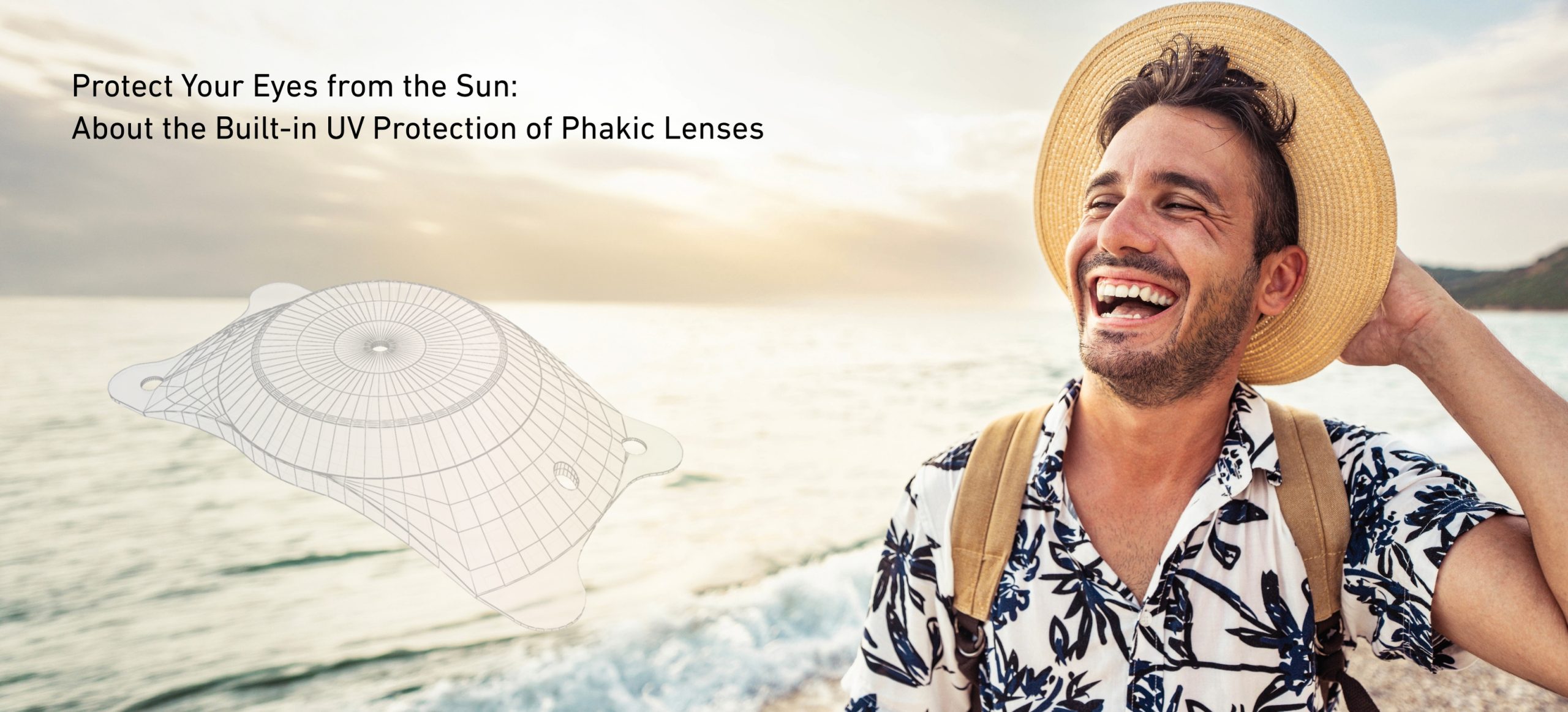
Your eyes are constantly exposed to ultraviolet radiation from the sun, which can lead to serious long-term damage if left unprotected. While sunglasses offer temporary relief, they cannot provide continuous protection throughout the day. This is where phakic lenses come into play as a revolutionary solution for vision correction that also shields your eyes from harmful UV rays. These specialized intraocular lenses are designed with built-in UV filters, offering round-the-clock protection without the need for additional eyewear.
Phakic lenses represent an advanced approach to both vision correction and eye health preservation. Unlike traditional methods that require you to remember wearing protective eyewear, these lenses work continuously from within your eye. They are particularly beneficial for individuals with high levels of nearsightedness who seek independence from glasses or contact lenses while simultaneously protecting their retinas and other delicate eye structures from sun damage. Understanding how phakic lenses provide UV protection can help you make informed decisions about your eye health and explore modern solutions that combine visual clarity with comprehensive sun protection for a lifetime of healthy vision.
Table of Contents
ToggleSunlight and Eye Health: The Harmful Effects of UV Rays
Ultraviolet radiation from the sun poses significant risks to your eye health, affecting various structures within the eye over time. UV rays are invisible forms of electromagnetic radiation that penetrate the atmosphere and reach your eyes every time you step outdoors. These rays are categorized into UVA and UVB types, both of which can cause cumulative damage to your eyes. UVB rays primarily affect the front parts of your eyes, including the cornea and lens, while UVA rays can penetrate deeper, reaching the retina at the back of your eye.
Prolonged exposure to UV radiation without adequate protection can lead to several serious eye conditions. Cataracts, which cause clouding of the eye’s natural lens, are strongly linked to UV exposure and can gradually impair your vision. Photokeratitis, often described as sunburn of the cornea, causes temporary but painful symptoms including redness, tearing, and light sensitivity. More concerning is the potential development of macular degeneration, a condition affecting the central part of your retina responsible for sharp, detailed vision. UV exposure also increases the risk of pterygium, an abnormal growth of tissue on the white part of your eye that can eventually interfere with vision.
The danger of UV radiation is that its effects accumulate over your lifetime, meaning damage from childhood exposure can contribute to problems that emerge decades later. Your eyes lack natural warning systems for UV damage until significant harm has already occurred. Even on cloudy days, up to a substantial portion of UV rays can penetrate cloud cover and reach your eyes. This makes consistent, reliable protection essential rather than optional. Understanding these risks highlights why integrated UV protection through phakic lenses offers advantages over methods that depend on your memory or daily habits to maintain eye safety.
Current Methods for Protecting the Eyes from UV
Several methods are currently available to protect your eyes from harmful UV radiation, each with its own benefits and limitations. Understanding these options helps you appreciate how phakic lenses with built-in UV protection compare to traditional approaches.
- UV-Blocking Sunglasses: This is the most common method for protecting your eyes from the sun. Quality sunglasses with proper UV-blocking coatings can filter out harmful rays when worn correctly. However, they only provide protection when you remember to wear them, and many people forget to put them on during brief outdoor activities or on overcast days when UV exposure still occurs.
- Wide-Brimmed Hats and Visors: Physical barriers like hats can block a significant portion of direct sunlight from reaching your eyes. These accessories work best when combined with sunglasses, as they primarily protect against overhead sun but allow UV rays to reach your eyes from the sides and reflected surfaces. Their effectiveness depends on consistent use and proper positioning.
- UV-Protective Contact Lenses: Many modern contact lenses include UV-blocking materials that provide protection while you wear them. These lenses offer more consistent coverage than sunglasses since they move with your eye and cannot be easily forgotten. However, they still require daily insertion and removal, and their protection is limited to the area they cover, leaving peripheral eye structures exposed.
- Photochromic Eyeglasses: These adaptive lenses darken automatically when exposed to UV light, providing convenience for people who transition between indoor and outdoor environments. While they offer reasonable protection, their response time means brief exposures may occur before the lenses fully darken, and they may not activate effectively inside vehicles where windshields block certain UV wavelengths.
Each of these methods requires active participation and consistent use to be effective. The challenge lies in maintaining protection throughout your entire day, especially during unexpected outdoor exposure. This is where permanently implanted phakic lenses with integrated UV filters offer a distinct advantage by providing continuous protection without requiring any daily action on your part.
What Are Phakic Lenses and How Do They Provide UV Protection?
Phakic lenses, also known as phakic intraocular lenses, are specialized optical devices made from biocompatible materials such as medical-grade plastic or silicone that are surgically implanted inside your eye. Unlike cataract surgery where the natural lens is removed, phakic lenses are placed in your eye while your natural lens remains intact. The term “phakic” specifically refers to this preservation of your eye’s natural lens. These lenses are positioned either just in front of or just behind your iris, depending on the specific lens design, and work in conjunction with your natural lens to correct refractive errors, particularly high degrees of nearsightedness.
The UV protection feature of phakic lenses is integrated directly into the lens material during manufacturing. Special UV-absorbing compounds are incorporated into the plastic or silicone structure, creating a permanent filter that blocks harmful ultraviolet radiation before it can reach the deeper structures of your eye. This built-in protection works continuously from the moment the lens is implanted, filtering out both UVA and UVB rays without requiring any action on your part. The UV-blocking properties do not diminish over time, providing lifelong protection as long as the lens remains in place.
When light enters your eye, it passes through the cornea and then encounters the phakic lens. The UV-filtering material absorbs harmful ultraviolet wavelengths while allowing visible light to pass through clearly, ensuring your vision remains unaffected. This process happens instantaneously and automatically, protecting your retina, natural lens, and other internal eye structures from UV damage. The protection is comprehensive because the lens covers the entire optical pathway, unlike sunglasses which can allow UV rays to enter from the sides. This internal positioning makes phakic lenses with UV protection particularly effective for people who spend considerable time outdoors or have occupations with high sun exposure, offering peace of mind that their eyes are consistently shielded regardless of whether they remember to wear additional protective eyewear.
The Advantages of Phakic Lenses with UV Protection
Choosing phakic lenses with integrated UV protection offers numerous benefits for your long-term eye health and daily convenience. These advantages make them an attractive option for individuals seeking both vision correction and comprehensive sun protection.
- Continuous Protection: The most significant advantage is that UV filtering works around the clock without requiring any effort on your part. You receive protection during every moment you are outdoors, including brief exposures that you might not consider significant enough to warrant sunglasses.
- No Dependence on External Accessories: You eliminate the need to remember, carry, or maintain sunglasses specifically for UV protection. This is particularly beneficial for people with active lifestyles, those who frequently transition between indoor and outdoor environments, or individuals who simply prefer not to wear sunglasses.
- Comprehensive Coverage: Unlike sunglasses that can allow UV rays to enter from the sides, top, or bottom, phakic lenses protect the entire optical pathway. The internal positioning ensures that all light entering your pupil passes through the UV filter before reaching sensitive internal structures.
- Dual Functionality: These lenses simultaneously correct your vision and protect your eyes, combining two important functions in a single solution. This integration is especially valuable for people with high refractive errors who would otherwise need both corrective lenses and UV protection.
- Long-Term Cost Effectiveness: While the initial investment is significant, you avoid the ongoing costs of purchasing UV-protective sunglasses, contact lenses, or other protective eyewear over the years. The permanent nature of the protection means you benefit for decades without replacement costs.
- Consistent Quality: The UV-blocking properties are built into the lens material and do not degrade over time like coatings on sunglasses that can scratch, wear off, or become less effective with age and exposure to elements.
These advantages make phakic lenses with UV protection particularly appealing for individuals who value convenience, reliability, and comprehensive eye health protection as part of their vision correction solution.
Situations Where UV Protection Is Especially Important
Certain environments, activities, and personal circumstances significantly increase your exposure to harmful UV radiation, making the built-in protection of phakic lenses particularly valuable. Understanding these high-risk situations helps you appreciate the importance of consistent UV protection.
High-altitude environments pose increased UV risks because the atmosphere is thinner at elevation, allowing more ultraviolet radiation to reach the surface. If you live in mountainous regions or frequently engage in activities like hiking, skiing, or mountaineering, your eyes receive substantially more UV exposure than at sea level. Similarly, tropical and subtropical climates with intense year-round sunshine create constant UV exposure that accumulates over time. People residing in these regions benefit greatly from the continuous protection that phakic lenses provide.
Water-based activities dramatically increase UV exposure due to reflection. Whether you enjoy boating, fishing, swimming, or simply spending time at the beach, water surfaces reflect a significant portion of UV rays back toward your eyes, effectively doubling your exposure. Snow creates an even more intense reflective effect, making winter sports particularly hazardous for unprotected eyes. The combination of direct sunlight and reflected UV rays from these surfaces makes external protection alone insufficient, as reflected rays can reach your eyes from angles that sunglasses may not fully cover.
Occupational exposure is another critical consideration. If your work requires extended outdoor time, such as construction, agriculture, landscaping, or outdoor recreation management, you face daily UV exposure that accumulates throughout your career. Professional athletes, outdoor instructors, and military personnel also experience high cumulative exposure. For these individuals, phakic lenses with UV protection offer reliable defense that does not interfere with work activities or depend on remembering to wear additional protective gear.
Individuals with certain medical conditions or family histories of eye diseases also benefit from enhanced UV protection. If you have a personal or family history of cataracts, macular degeneration, or other sun-related eye conditions, the preventive protection offered by UV-filtering phakic lenses becomes even more valuable as part of a comprehensive strategy to preserve your vision throughout your lifetime.
What to Consider When Choosing Phakic Lenses with Internal UV Filters
When evaluating phakic lenses with UV protection as a vision correction option, several important factors deserve careful consideration. Making an informed decision requires understanding both the benefits and limitations of this technology.
- Candidacy Requirements: Not everyone is a suitable candidate for phakic lenses. Your eye anatomy, including the depth of your anterior chamber and the health of your corneal endothelium, must meet specific criteria. A thorough evaluation by an experienced ophthalmologist is essential to determine whether your eyes are appropriate for this type of lens implantation.
- Surgical Considerations: Implanting phakic lenses requires a surgical procedure with associated risks, including infection, inflammation, and potential complications. While these risks are generally low with modern techniques, you should discuss them thoroughly with your surgeon and understand the recovery process before proceeding.
- Refractive Error Suitability: Phakic lenses are primarily designed for correcting moderate to high degrees of nearsightedness. If your refractive error falls outside the range that these lenses can effectively correct, alternative vision correction methods may be more appropriate for your situation.
- Long-Term Commitment: Once implanted, phakic lenses are intended to remain in your eye permanently, though they can be removed if necessary. You should be comfortable with the long-term nature of this decision and understand that your vision correction needs may change over time as your eyes age.
- Additional Protection Needs: While UV-filtering phakic lenses protect internal eye structures, they do not shield the external parts of your eyes or the delicate skin around them. You may still want to wear sunglasses or hats for comfort in bright conditions and to protect the skin around your eyes from sun damage and premature aging.
- Cost and Insurance Coverage: The investment required for phakic lenses can be substantial, and insurance coverage varies. Understanding the financial aspects and exploring payment options is an important part of your decision-making process.
Consulting with a qualified eye care professional who has extensive experience with phakic lenses will help you weigh these considerations against your personal needs, lifestyle, and vision correction goals to determine if this option is right for you.
Frequently Asked Questions
Many people have questions about how UV protection in phakic lenses works and whether it truly provides the benefits claimed. Here are answers to some of the most common concerns about UV-filtering intraocular lenses and their effectiveness in protecting your eyes from sun damage.
Yes, UV protection in phakic lenses is highly effective. The UV-blocking compounds are integrated into the lens material itself, not applied as a coating, so they provide consistent filtering throughout the lens’s lifetime. Clinical studies have demonstrated that these lenses successfully block harmful ultraviolet radiation from reaching the retina and other internal eye structures.
Yes, phakic lenses with built-in UV filters provide internal protection without requiring sunglasses. However, sunglasses still offer benefits for comfort in bright light and protect the external eye structures and surrounding skin. The lenses ensure your internal eye components remain protected even when you are not wearing sunglasses.
Most modern phakic lenses include UV protection as a standard feature, but not all models necessarily offer this benefit. When considering lens options, specifically ask your ophthalmologist about the UV-filtering capabilities of the particular lens model being recommended for your eyes to ensure you receive this important protective feature.
Yes, individuals with light sensitivity can benefit from UV-filtering phakic lenses as they reduce the amount of harmful radiation reaching internal eye structures. However, these lenses do not darken like photochromic glasses, so people with significant light sensitivity may still prefer wearing sunglasses for additional comfort in bright conditions.
