
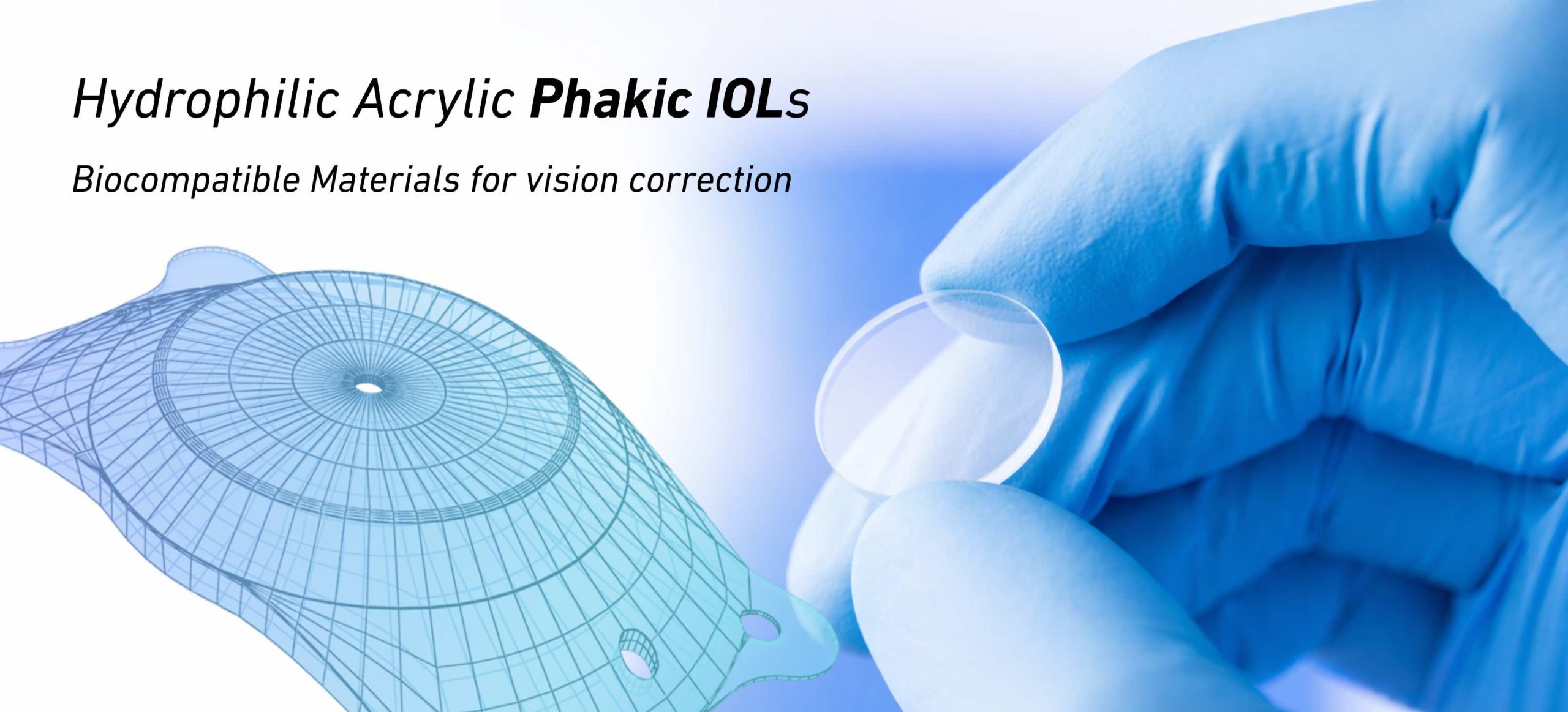
Vision correction has evolved significantly over recent decades, offering solutions for individuals with refractive errors that were once considered untreatable through conventional methods. Phakic IOLs represent a breakthrough technology designed to address high degrees of myopia, hyperopia, and astigmatism in patients who may not be suitable candidates for corneal refractive procedures. Unlike traditional intraocular lenses used in cataract surgery, phakic IOLs are implanted while preserving the eye’s natural crystalline lens, making them an ideal option for younger patients seeking permanent vision correction.
Among the various materials used in manufacturing phakic IOLs, hydrophilic acrylic has emerged as a preferred choice due to its exceptional biocompatibility and optical properties. This advanced material offers a unique combination of flexibility, clarity, and compatibility with ocular tissues, reducing the risk of complications and enhancing long-term visual outcomes. Understanding the science behind hydrophilic acrylic materials helps patients and healthcare professionals make informed decisions about vision correction strategies. The selection of appropriate lens material plays a crucial role in ensuring safety, visual quality, and patient satisfaction throughout the lifespan of the implant.
Table of Contents
ToggleWhat are Phakic Intraocular Lenses (IOLs)?
Phakic IOLs are specialized artificial lenses surgically implanted into the eye to correct refractive errors while maintaining the natural lens in place. This distinguishes them from standard intraocular lenses used during cataract surgery, where the clouded natural lens is removed and replaced. The concept of phakic intraocular lenses dates back to the early developments in refractive surgery, with pioneering work beginning in the mid-twentieth century when surgeons explored methods to address severe myopia beyond the capabilities of eyeglasses or contact lenses.
The technology has undergone substantial refinement over the years, with modern phakic IOLs offering improved safety profiles and predictable outcomes. These lenses are positioned in different locations within the eye depending on their design: some are placed in the anterior chamber between the cornea and iris, while others are positioned in the posterior chamber behind the iris but in front of the natural lens. Each placement strategy has specific advantages and considerations based on individual anatomical characteristics and refractive needs.
Phakic IOLs provide an effective solution for patients with high refractive errors who seek alternatives to laser vision correction procedures. They are particularly beneficial for individuals with thin corneas, extreme myopia, or other conditions that make corneal reshaping unsuitable. The reversibility of the procedure, combined with the preservation of natural accommodation in younger patients, makes phakic IOLs an attractive option for vision correction. Proper patient selection and thorough preoperative evaluation are essential to achieving optimal results and minimizing potential complications.
What is Hydrophilic Acrylic Material?
Hydrophilic acrylic is a synthetic polymer material characterized by its affinity for water molecules, which allows it to absorb and retain moisture within its molecular structure. This water-loving property makes hydrophilic acrylic particularly suitable for intraocular implant applications, as it closely mimics the natural hydration environment of ocular tissues. The material is engineered through advanced polymerization processes that create a flexible, transparent substance with excellent optical clarity and mechanical stability.
The key characteristics that make hydrophilic acrylic an ideal choice for phakic IOLs include:
- High water content: The material’s ability to absorb moisture creates a soft, pliable texture that reduces mechanical stress on surrounding eye structures and enhances comfort after implantation.
- Exceptional transparency: Hydrophilic acrylic maintains remarkable clarity throughout its lifespan, ensuring consistent visual performance without clouding or opacity development that could compromise vision quality.
- Foldability and flexibility: The material can be folded or rolled during insertion, allowing surgeons to use smaller incisions that promote faster healing and reduce surgical trauma to ocular tissues.
- Biocompatible lens material properties: The chemical composition of hydrophilic acrylic minimizes inflammatory responses and tissue reactions, making it well-tolerated by the delicate structures within the eye.
- Stable refractive properties: The material maintains consistent optical characteristics over time, ensuring predictable refractive correction without significant changes that could affect visual outcomes.
These properties collectively contribute to the widespread adoption of hydrophilic acrylic in modern phakic IOLs, offering patients a reliable and safe option for permanent vision correction with minimal risk of material-related complications.
Biocompatibility: The Importance of Eye-Compatible Material Selection
Biocompatibility represents one of the most critical factors in selecting materials for intraocular implants, as the eye’s internal environment is highly sensitive to foreign substances. A biocompatible lens material must integrate seamlessly with ocular tissues without triggering adverse immune responses, chronic inflammation, or cellular damage that could compromise visual function or eye health. Hydrophilic acrylic has demonstrated exceptional biocompatibility in clinical applications, making it a preferred choice for long-term implantation in phakic IOLs.
The biocompatibility of hydrophilic acrylic stems from its chemical inertness and structural similarity to naturally occurring biological polymers. When implanted, the material does not release toxic substances or degradation products that could harm delicate ocular structures such as the corneal endothelium, trabecular meshwork, or crystalline lens. This stability is particularly important for phakic IOLs, which remain in the eye for extended periods and must maintain their integrity without causing progressive tissue damage.
One of the key advantages of hydrophilic acrylic is its endothelial cell friendly nature, which helps preserve the corneal endothelium—a critical layer responsible for maintaining corneal transparency and proper hydration. Damage to these cells can lead to corneal swelling, reduced visual clarity, and potential need for corneal transplantation in severe cases. The smooth surface and minimal mechanical friction of hydrophilic acrylic lenses reduce the risk of endothelial cell loss, contributing to better long-term outcomes and sustained visual quality for patients receiving phakic IOLs.
The Impact of Hydrophilic Acrylic Phakic IOLs on Visual Quality
Visual quality encompasses multiple dimensions beyond simple clarity, including contrast sensitivity, color perception, night vision performance, and the absence of optical aberrations that can compromise the viewing experience. Hydrophilic acrylic phakic IOLs have been engineered to optimize these various aspects of vision, providing patients with comprehensive visual improvement that extends beyond basic refractive error correction.
The optical clarity of hydrophilic acrylic material plays a fundamental role in delivering sharp, crisp vision across different lighting conditions. The material’s high transparency and low light-scattering properties ensure that minimal optical interference occurs as light passes through the lens, resulting in clear image formation on the retina. This characteristic is particularly important for patients with high refractive errors, who may have experienced significant visual distortion with their previous correction methods.
Contrast sensitivity represents another crucial aspect of visual quality that is well-preserved with hydrophilic acrylic phakic IOLs. This refers to the ability to distinguish objects from their background, especially in low-light conditions or when viewing subtle variations in shading. The material’s optical properties minimize light scatter and glare, helping patients maintain good contrast perception even in challenging visual environments such as nighttime driving or dimly lit spaces.
Additionally, the design and material characteristics of hydrophilic acrylic lenses contribute to reduced higher-order aberrations, which are optical imperfections that can cause halos, starbursts, or ghosting around light sources. By minimizing these unwanted visual phenomena, hydrophilic acrylic phakic IOLs enhance overall visual comfort and satisfaction, allowing patients to enjoy improved vision quality in their daily activities.
Comparison of Hydrophilic Phakic IOLs with Other Lens Materials
Several materials have been developed for manufacturing phakic IOLs, each offering distinct advantages and potential limitations. Understanding the differences between hydrophilic acrylic and alternative materials helps clarify why hydrophilic acrylic has become a preferred choice in many clinical applications. The primary alternatives include hydrophobic acrylic and silicone materials, each with unique properties that influence their performance as intraocular implants.
Key distinctions between hydrophilic acrylic and other lens materials include:
- Hydrophobic acrylic lenses: While also offering excellent optical clarity, hydrophobic materials repel water rather than absorbing it, resulting in a firmer texture that may create more mechanical interaction with surrounding tissues compared to the softer hydrophilic alternatives.
- Silicone-based lenses: These materials provide good flexibility and foldability, but may be more prone to surface deposits and inflammatory reactions in certain patients, potentially affecting long-term visual outcomes and requiring more careful patient selection.
- Surface properties: Hydrophilic acrylic surfaces tend to resist protein and cellular adhesion more effectively than some alternative materials, reducing the risk of inflammatory membrane formation that could compromise visual quality over time.
- Surgical handling: The flexibility and foldability of hydrophilic acrylic allow for smaller incision sizes and gentler insertion techniques, potentially reducing surgical trauma and accelerating postoperative recovery compared to more rigid lens materials.
The choice of lens material ultimately depends on individual patient characteristics, surgeon preference, and specific clinical considerations, with hydrophilic acrylic offering a balanced combination of safety, performance, and biocompatibility for many phakic IOL candidates.
Safety and Long-Term Outcomes
The safety profile of hydrophilic acrylic phakic IOLs has been extensively studied through clinical trials and long-term follow-up studies, demonstrating favorable outcomes for appropriately selected patients. These lenses have shown consistent performance in maintaining visual correction while preserving ocular health over extended periods. The biocompatible lens material properties of hydrophilic acrylic contribute significantly to minimizing complications and ensuring patient satisfaction throughout the lifespan of the implant.
Long-term studies have documented the stability of refractive correction achieved with hydrophilic acrylic phakic IOLs, with most patients maintaining their improved vision without significant regression over time. The material’s resistance to degradation and clouding ensures that optical clarity remains consistent, allowing patients to enjoy sustained visual benefits without the need for frequent adjustments or replacements. This stability is particularly important for younger patients who expect their vision correction to remain effective throughout their active years.
Safety considerations include monitoring for potential complications such as endothelial cell loss, cataract formation, increased intraocular pressure, or inflammatory responses. The endothelial cell friendly nature of hydrophilic acrylic helps minimize corneal endothelial damage, which is crucial for maintaining corneal health and transparency. Regular follow-up examinations allow eye care professionals to detect and address any emerging issues promptly, ensuring optimal long-term outcomes.
The reversibility of phakic IOL implantation provides an additional safety advantage, as the lenses can be removed or exchanged if necessary due to changing refractive needs or unforeseen complications. This flexibility, combined with the proven biocompatibility of hydrophilic acrylic materials, contributes to the overall safety profile and patient confidence in choosing this vision correction option.
Patient-Specific Considerations for Choosing the Right Material
Selecting the appropriate lens material for phakic IOLs requires careful evaluation of individual patient characteristics, ocular anatomy, and specific vision correction needs. While hydrophilic acrylic offers numerous advantages, comprehensive preoperative assessment ensures that this material is the optimal choice for each candidate. Eye care professionals consider multiple factors when recommending intraocular implant materials to maximize safety and visual outcomes.
Important patient-specific considerations include:
- Anterior chamber depth: Adequate space between the cornea and natural lens is essential for safe phakic IOL placement, with deeper chambers generally providing better accommodation for hydrophilic acrylic lenses and reducing contact with surrounding structures.
- Corneal endothelial cell density: Patients with healthy endothelial cell counts are better candidates for hydrophilic acrylic lenses, as the endothelial cell friendly properties of this material help preserve these critical cells over time.
- Degree of refractive error: The extent of myopia, hyperopia, or astigmatism influences lens design and material selection, with hydrophilic acrylic offering excellent performance across a wide range of refractive corrections.
- Age and lifestyle factors: Younger patients with active lifestyles may particularly benefit from the durability and stable optical properties of hydrophilic acrylic phakic IOLs, which maintain consistent performance during physical activities and varying environmental conditions.
- Ocular health history: Previous eye conditions, surgeries, or inflammatory episodes may influence material selection, with the biocompatible lens material properties of hydrophilic acrylic offering advantages for patients requiring gentle, tissue-friendly implants.
- Professional visual demands: Patients with occupations requiring exceptional visual acuity and contrast sensitivity, such as pilots or precision workers, may benefit from the superior optical characteristics of hydrophilic acrylic materials.
Thorough consultation with experienced eye care professionals ensures that material selection aligns with individual needs and expectations for refractive correction.
Frequently Asked Questions
Understanding the science behind hydrophilic acrylic phakic IOLs helps patients make informed decisions about vision correction. The following questions address common concerns about these advanced biocompatible lens materials and their role in achieving optimal visual outcomes while maintaining long-term eye health and safety.
Why are hydrophilic acrylic lenses preferred?
Hydrophilic acrylic lenses are preferred due to their exceptional biocompatible lens material properties, superior optical clarity, and endothelial cell friendly characteristics. Their flexibility allows smaller surgical incisions, while their water-absorbing nature creates a soft texture that minimizes mechanical stress on surrounding ocular tissues, promoting better long-term outcomes.
What is the difference between hydrophilic and hydrophobic lenses?
Hydrophilic lenses absorb water, creating a soft, pliable material that integrates gently with eye tissues, while hydrophobic lenses repel water, resulting in a firmer texture. Both offer excellent optical clarity, but hydrophilic materials typically provide enhanced comfort and reduced mechanical interaction with delicate ocular structures.
Do biocompatible lenses reduce the risk of intraocular infection?
Biocompatible lens materials like hydrophilic acrylic minimize inflammatory responses and tissue reactions, which indirectly supports ocular health. While proper surgical technique and postoperative care remain primary factors in preventing infection, biocompatible materials contribute to overall safety by reducing complications that could compromise the eye’s natural defense mechanisms.
Can these lenses be used on every patient?
Not all patients are suitable candidates for hydrophilic acrylic phakic IOLs. Adequate anterior chamber depth, healthy corneal endothelium, stable refractive error, and absence of certain ocular conditions are necessary. Comprehensive preoperative evaluation determines individual candidacy and ensures optimal safety and visual outcomes for each patient.
How do these lenses affect eye health in the long term?
Long-term studies demonstrate that hydrophilic acrylic phakic IOLs maintain excellent optical clarity and biocompatibility over extended periods. The endothelial cell friendly properties help preserve corneal health, while regular monitoring ensures any potential issues are detected early, supporting sustained visual quality and overall ocular well-being throughout the implant’s lifespan.
