
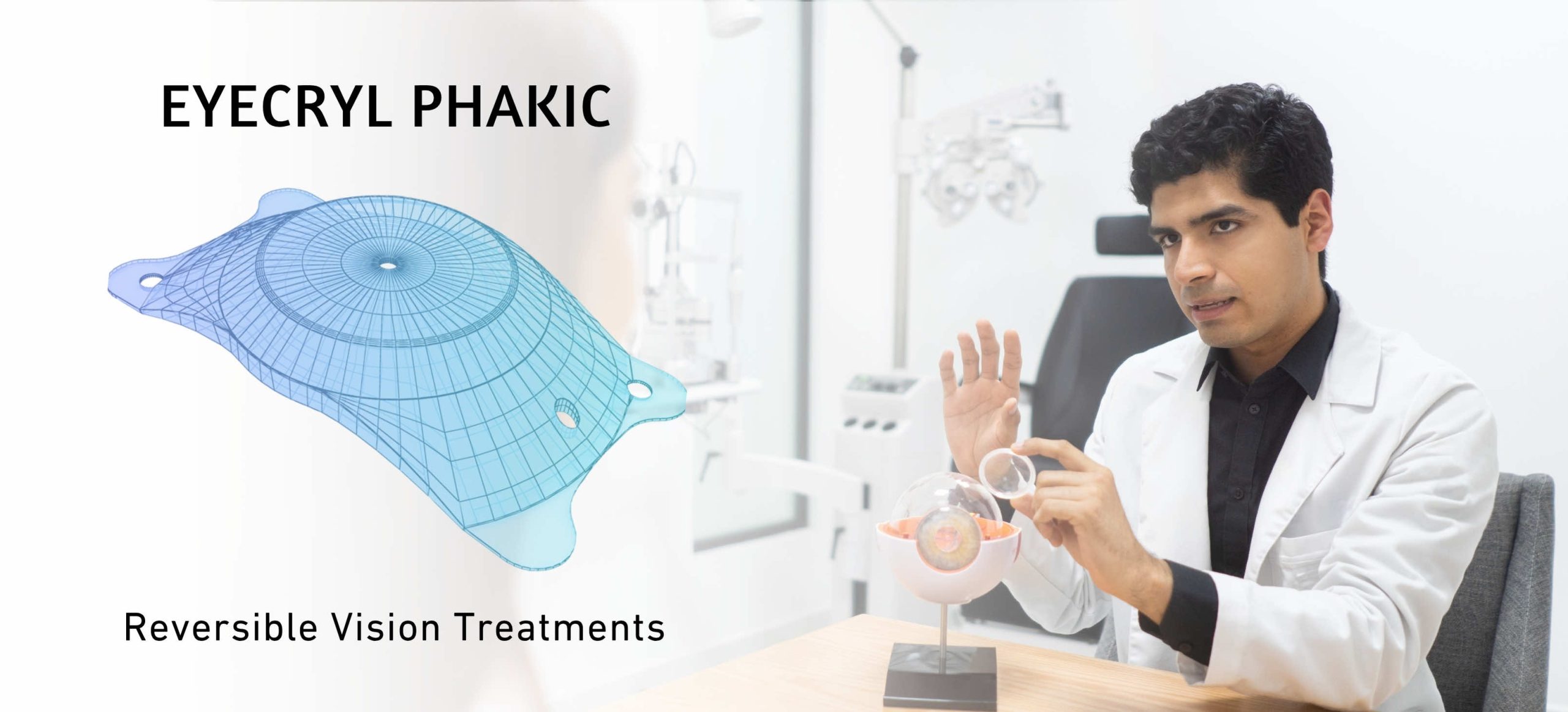
Phakic lenses are innovative intraocular devices designed to correct significant refractive errors, particularly high degrees of nearsightedness, without removing the eye’s natural lens. For many individuals seeking freedom from glasses or contact lenses, phakic lenses offer a compelling solution that preserves the eye’s natural focusing ability while providing clear vision. However, as you age, questions naturally arise about how these implanted lenses might interact with age-related eye conditions, especially cataracts.
Understanding the relationship between phakic lenses and future cataract surgery is essential for anyone considering this vision correction option. Many people wonder whether having a phakic intraocular lens implanted today will complicate or prevent necessary cataract procedures later in life. The good news is that modern ophthalmology has developed comprehensive strategies to address both conditions effectively. This article explores how phakic lenses and cataract surgery can coexist in your long-term eye health plan, what surgical considerations arise when both procedures are needed, and how proper planning ensures you maintain excellent vision throughout your lifetime. Whether you’re contemplating phakic lenses now or already have them implanted, understanding these important considerations will help you make informed decisions about your eye care journey.
Table of Contents
ToggleAge-Related Eye Problems and Cataracts
As we age, our eyes undergo natural changes that can affect vision quality and overall eye health. Among the most common age-related conditions is cataract development, which occurs when the eye’s natural lens gradually becomes cloudy or opaque. This clouding process typically begins subtly and progresses over time, causing symptoms such as blurred vision, increased sensitivity to glare, difficulty seeing in low light conditions, and faded color perception. Cataracts are an almost universal part of aging, with the vast majority of individuals experiencing some degree of lens clouding as they reach their senior years.
The development of cataracts is influenced by various factors beyond age alone. Prolonged exposure to ultraviolet light, certain medications, smoking, diabetes, and genetic predisposition can all accelerate cataract formation. For individuals with phakic lenses, understanding this natural aging process becomes particularly important because the artificial lens sits either in front of or behind the iris while the natural lens remains in place. This means that despite having excellent vision correction through the phakic intraocular lens, the natural lens behind it can still develop cataracts over time.
Other age-related eye conditions such as presbyopia, which affects near vision focusing ability, and changes in the retina or optic nerve may also emerge. However, cataracts remain the most significant concern for long-term planning because they directly involve the natural lens that coexists with your phakic lens. Recognizing these changes early through regular eye examinations allows for timely intervention and appropriate treatment planning.
Can Cataracts Develop in an Eye with a Phakic Lens?
Yes, cataracts can absolutely develop in an eye that has a phakic lens implanted. This is because phakic intraocular lenses are designed to work alongside your natural lens rather than replace it. The artificial lens is positioned either in the anterior chamber in front of the iris or in the posterior chamber behind the iris, while your natural crystalline lens remains in its original position. Since the natural lens stays intact, it continues to be susceptible to the same age-related changes that affect everyone’s eyes over time.
The presence of a phakic lens does not accelerate or prevent cataract formation in the natural lens. Cataract development follows its normal course based on your individual risk factors, genetics, lifestyle, and age. Some studies have examined whether having an intraocular device in the eye might influence cataract progression, but current evidence suggests that properly positioned and well-tolerated phakic lenses do not significantly increase the risk of earlier cataract development compared to eyes without such implants.
What makes this situation unique is that you may enjoy clear, corrected vision through your phakic lens for many years before noticing any cataract-related symptoms. As the natural lens gradually becomes cloudier, you might experience a slow decline in vision quality despite the refractive correction provided by the phakic intraocular lens. This is why regular comprehensive eye examinations remain essential even after successful phakic lens implantation. Your eye care professional can monitor both the condition of your implanted lens and the clarity of your natural lens, ensuring timely intervention when cataract surgery becomes necessary.
Do Phakic Lenses Prevent Cataract Surgery?
No, phakic lenses do not prevent cataract surgery. In fact, one of the significant advantages of phakic intraocular lenses is their removability, which makes them compatible with future cataract procedures. When cataracts develop to the point where they significantly impair vision, the phakic lens can be removed, and traditional cataract surgery can be performed. This involves extracting the clouded natural lens and replacing it with a standard intraocular lens designed for permanent implantation after cataract removal.
The surgical approach for cataract surgery in eyes with phakic lenses is well-established and routinely performed by experienced ophthalmologists. The procedure typically involves removing the phakic lens first, then proceeding with standard cataract extraction techniques. Because phakic lenses are designed to be reversible, their removal is generally straightforward and does not create unusual complications for the subsequent cataract surgery. This two-step process allows surgeons to address both the artificial lens and the cataractous natural lens effectively.
In some cases, depending on the type and position of the phakic lens, both procedures can be performed during a single surgical session, though this decision depends on individual circumstances and surgeon preference. The key point is that having a phakic intraocular lens does not lock you into a situation where cataracts cannot be treated. Modern ophthalmology has developed comprehensive protocols for managing this transition, ensuring that patients who benefited from phakic lenses in their younger years can still receive excellent cataract care as they age. This flexibility makes phakic lenses a viable long-term vision correction option even when considering future age-related eye changes.
Surgical Planning Process in Patients with Phakic Lenses
When cataract surgery becomes necessary for someone with phakic lenses, careful surgical planning ensures optimal outcomes. The process involves several important steps that help your surgeon prepare for a safe and effective procedure:
- Comprehensive preoperative evaluation: Your ophthalmologist will conduct detailed measurements of your eye’s anatomy, including corneal curvature, axial length, and anterior chamber depth. These measurements are crucial for calculating the correct power of the replacement intraocular lens that will be implanted after cataract removal. The presence of the phakic lens requires special attention to ensure accurate calculations.
- Documentation of phakic lens specifications: Your surgeon will review the type, model, and positioning of your existing phakic intraocular lens. This information helps determine the safest removal technique and whether any special instruments or approaches will be needed during surgery. Having records of your original phakic lens implantation procedure proves valuable during this planning phase.
- Assessment of lens position and eye health: A thorough examination evaluates how well your phakic lens has been tolerated over time, checking for any complications such as corneal endothelial cell loss, inflammation, or positional changes. This assessment helps identify any additional considerations that might affect the surgical approach or recovery process.
- Discussion of intraocular lens options: Your surgeon will explain the various types of replacement lenses available for cataract surgery, including monofocal, multifocal, and toric options. Together, you’ll select the lens that best matches your visual goals and lifestyle needs, taking into account your previous refractive history with the phakic intraocular lens.
Long-Term Outlook: Phakic Lenses at a Young Age, Cataract Surgery Later
Choosing phakic lenses at a younger age while knowing that cataract surgery may be needed decades later represents a thoughtful, long-term approach to vision correction. This strategy allows you to enjoy the benefits of clear, glasses-free vision during your most active years while maintaining flexibility for future eye care needs. Many individuals who receive phakic intraocular lenses in their twenties, thirties, or forties can expect to benefit from excellent vision correction for many years before age-related cataracts develop.
The long-term outlook for phakic lens users is generally very positive. These lenses can remain stable and effective for extended periods, providing consistent vision correction without the daily hassle of glasses or contact lenses. When cataracts eventually develop, the transition to cataract surgery with permanent intraocular lens replacement is well-understood and routinely performed. This means you’re not sacrificing future treatment options by choosing phakic lenses today.
One important consideration in this long-term planning is maintaining regular eye examinations throughout your life. Even when your vision remains excellent with your phakic lens, periodic checkups allow your eye care professional to monitor the health of your natural lens, cornea, and other eye structures. Early detection of cataract formation enables timely planning for eventual surgery, ensuring you never experience significant vision impairment. Additionally, these regular visits help track the condition of the phakic intraocular lens itself, identifying any rare complications early when they’re most easily addressed. This proactive approach to eye health maximizes the benefits of your phakic lenses while preparing appropriately for natural age-related changes.
Advantage of clear vision at an early age
Receiving phakic lenses during your younger years offers substantial benefits that can significantly enhance your quality of life during critical decades of personal and professional development:
- Enhanced lifestyle freedom: Young adults often lead active lifestyles involving sports, outdoor activities, and social engagements where glasses or contact lenses can be inconvenient or limiting. Phakic intraocular lenses eliminate these barriers, allowing you to participate fully in activities without vision correction concerns.
- Professional advantages: Many careers benefit from unrestricted vision, whether you’re working in physically demanding fields, creative industries, or professional environments where appearance matters. Having clear vision without external aids can boost confidence and remove practical obstacles in your work life.
- Long-term cost effectiveness: While the initial investment in phakic lenses is significant, the cumulative cost of glasses and contact lenses over several decades can be substantial. Early correction provides financial benefits over time by eliminating ongoing expenses for vision aids.
- Preservation of natural accommodation: Unlike some other refractive surgeries, phakic lenses preserve your eye’s natural focusing ability for near vision during your younger years, maintaining comfortable vision at all distances until age-related presbyopia naturally develops.
Safe surgical transition as age progresses
The transition from phakic lenses to cataract surgery represents a natural progression in your eye care journey, and modern ophthalmology has made this process remarkably safe and predictable. Surgeons who specialize in both phakic lens implantation and cataract surgery understand the unique considerations involved in managing patients who have had refractive correction earlier in life.
When the time comes for cataract surgery, your ophthalmologist will use advanced diagnostic technology to ensure precise measurements and optimal outcomes. The surgical techniques for removing phakic lenses and performing cataract extraction have been refined over many years, resulting in high success rates and low complication risks. Most patients experience smooth recoveries and achieve excellent vision after this transition.
An important advantage of this staged approach is that cataract surgery technology continues to advance. By the time you need cataract surgery, you may benefit from innovations and improvements that weren’t available when you first received your phakic intraocular lens. This means your final vision correction through cataract surgery may offer even better outcomes than what was possible during your initial phakic lens implantation, giving you excellent vision well into your later years.
Advantage of reversibility
One of the most significant advantages of phakic lenses compared to other refractive surgery options is their reversible nature, which provides important flexibility for your long-term eye health:
- Adaptability to changing needs: Because phakic intraocular lenses can be removed or exchanged, your vision correction can adapt to changing eye conditions or visual requirements over time. This flexibility is particularly valuable as you age and your eyes undergo natural changes.
- Preservation of surgical options: Unlike procedures that permanently alter corneal tissue, phakic lenses leave your eye’s natural structures intact. This preservation means you retain all future treatment options, including advanced cataract surgery techniques and any new vision correction technologies that may emerge.
- Safety net for complications: In the rare event of complications or intolerance to the phakic lens, it can be removed, allowing your eye to return to its pre-surgery state. This reversibility provides peace of mind that permanent, irreversible changes haven’t been made to your eye.
- Seamless transition to cataract surgery: When cataracts develop, the removable nature of phakic lenses allows for a straightforward transition to cataract surgery without the complications that might arise from previous permanent alterations to eye structures.
The impact of refractive history on cataract surgery
Your history with phakic lenses plays an important role in planning successful cataract surgery. Surgeons must account for your previous refractive correction when calculating the power of the replacement intraocular lens that will be implanted during cataract surgery. Fortunately, having detailed records of your phakic lens specifications and your original refractive error helps ensure accurate calculations for optimal post-surgery vision.
One advantage of having had phakic lenses rather than corneal refractive surgery is that your cornea remains in its natural state, making measurements more straightforward and reliable. Corneal-based procedures can alter the corneal shape in ways that complicate later calculations, but phakic intraocular lenses avoid this issue entirely. This means your surgeon can use standard measurement techniques with confidence when planning your cataract surgery.
Additionally, your experience with phakic lenses provides valuable information about your visual preferences and tolerance for different types of vision correction. This history helps guide discussions about which type of replacement lens will best suit your needs after cataract surgery, whether you prefer to optimize distance vision, near vision, or achieve a balance between both through advanced multifocal or accommodating lens options.
Recommendations for Preparing for Aging for Phakic Lens Users
If you have phakic lenses or are considering them, taking proactive steps to prepare for age-related eye changes ensures you maintain excellent vision throughout your lifetime. Regular comprehensive eye examinations are your most important tool for monitoring both your phakic intraocular lens and your natural lens health. Schedule these checkups according to your eye care professional’s recommendations, even when your vision feels perfect, as early detection of cataracts or other changes allows for optimal planning.
Maintain detailed records of your phakic lens implantation, including the lens model, power, and positioning. Keep copies of your pre-surgery measurements and post-surgery evaluations. These documents become invaluable references if you need cataract surgery in the future, helping your surgeon make accurate calculations for your replacement lens. Many patients find it helpful to keep both physical and digital copies of these important medical records.
Protect your eyes from factors that can accelerate cataract formation. Wear quality sunglasses that block ultraviolet radiation when outdoors, maintain good control of any systemic health conditions like diabetes, avoid smoking, and follow a diet rich in antioxidants. These lifestyle measures support overall eye health and may help delay cataract development, extending the time you can enjoy clear vision with your phakic lenses.
Finally, establish a relationship with an ophthalmologist experienced in managing patients with phakic intraocular lenses. Having a trusted eye care professional who understands your unique situation and can guide you through the eventual transition to cataract surgery provides confidence and ensures you receive the best possible care at every stage of your vision correction journey.
