
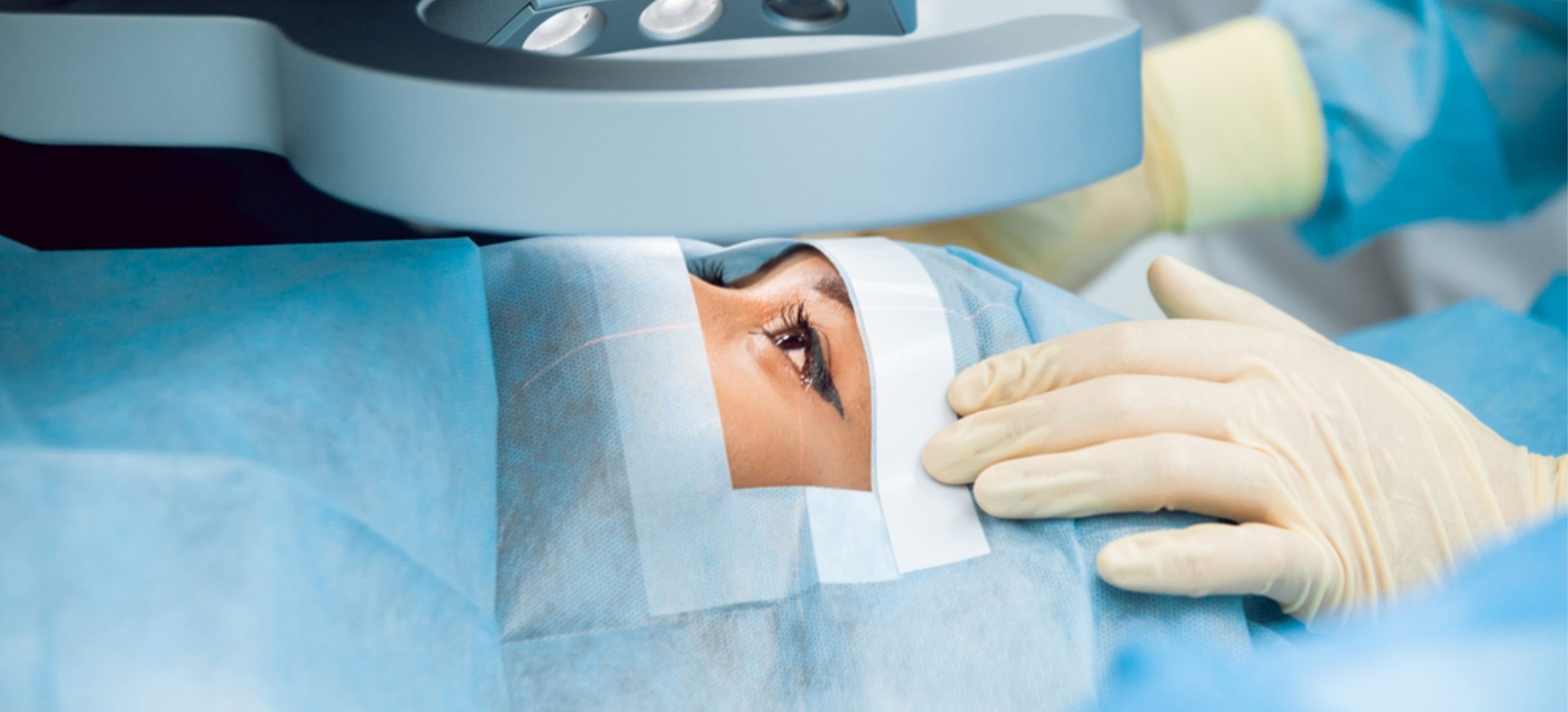
Undergoing phakic lens surgery marks a significant step toward clearer vision and reduced dependence on glasses or contact lenses. For many individuals with high levels of nearsightedness, phakic intraocular lens implantation offers a permanent solution that preserves the eye’s natural lens while correcting refractive errors. The immediate period following this procedure is crucial for ensuring optimal healing and achieving the best possible visual outcomes. Understanding what happens during the first day after surgery helps patients feel more confident and prepared as they begin their recovery journey.
The initial recovery phase after phakic lens treatment is remarkably swift compared to many other surgical procedures. Most patients notice improvements in their vision within hours of leaving the operating room, though the eye continues to adjust and heal throughout the first day. Knowing what to expect during these critical early hours—from visual changes to physical sensations—enables patients to recognize normal healing processes and identify any concerns that may require medical attention. This guide walks you through the essential aspects of the first day following phakic lens surgery, providing practical insights into the rapid recovery process and helping you navigate this important milestone with confidence.
What is Phakic Lens Surgery? Let’s briefly recap
Phakic lens surgery is an advanced vision correction procedure designed primarily for individuals with moderate to high degrees of nearsightedness who may not be ideal candidates for laser eye surgery. Unlike procedures that reshape the cornea or remove the eye’s natural lens, phakic intraocular lens implantation involves placing a specially designed lens inside the eye while keeping the natural lens intact. This approach preserves the eye’s natural focusing ability while adding corrective power to reduce or eliminate the need for external vision aids.
The lenses used in this procedure are made from biocompatible materials such as specialized plastics or silicone that are designed to remain permanently in the eye without causing adverse reactions. During the surgical procedure, the surgeon creates a small incision in the front portion of the eye and carefully inserts the phakic lens through this opening. Depending on the specific type of lens selected, it is positioned either just in front of the colored part of the eye or just behind it, where it remains securely in place without requiring sutures or additional support structures.
The primary purpose of phakic lens treatment is to correct refractive errors—imperfections in the eye’s focusing power that cause blurred vision. In nearsighted individuals, light entering the eye focuses in front of the retina rather than directly on it, making distant objects appear unclear. The implanted lens works in conjunction with the cornea and natural lens to redirect light rays so they focus precisely on the retina, creating sharp, clear images. This correction happens immediately once the lens is properly positioned, which is why many patients experience noticeable vision improvement shortly after the procedure.
Candidates for phakic lens surgery typically include adults with stable vision prescriptions who have refractive errors outside the range that can be safely or effectively treated with laser procedures. The surgery is performed on an outpatient basis, meaning patients return home the same day, and the actual implantation process is relatively brief. Understanding this foundational information about what the surgery entails helps patients appreciate why the recovery process begins so quickly and why the first day is such an important period for monitoring healing and visual adaptation.
Why are the first 24 hours after surgery important?
The initial day following phakic lens implantation represents a critical window in the healing process, during which the eye begins its natural recovery mechanisms and the visual system starts adapting to the newly implanted lens. This period is essential because it sets the foundation for long-term surgical success and helps identify any immediate complications that may require prompt intervention. The eye undergoes significant physiological changes during these early hours as it responds to the surgical procedure, making careful monitoring and adherence to post-operative instructions particularly important.
During the first day after phakic intraocular lens surgery, the small incision created during the procedure begins its healing process, and the eye’s internal structures adjust to the presence of the new lens. The tissues surrounding the implant start to stabilize, and any minor inflammation or swelling that occurred during surgery begins to subside. This natural healing response is why patients may experience certain temporary sensations or visual fluctuations during the first hours—these are typically normal parts of the recovery process rather than signs of problems.
Another crucial reason why the first day matters so much is that it allows both the patient and the medical team to assess how well the eye is responding to the phakic lens placement. Early follow-up examinations can detect issues such as elevated eye pressure, improper lens positioning, or unexpected inflammation before they develop into more serious concerns. Prompt identification of any irregularities enables timely adjustments or treatments that can prevent complications and ensure the best possible visual outcome.
The first day also establishes important habits and routines that will continue throughout the recovery period. Patients learn how to properly use prescribed eye drops, understand which activities to avoid, and become familiar with what normal healing feels like versus what might warrant contacting their surgeon. This educational aspect of the initial recovery phase empowers patients to take an active role in their healing process and helps reduce anxiety by providing clear expectations. The rapid improvements many patients experience during these first hours also provide reassurance and motivation to continue following post-operative care guidelines carefully.
What to expect in the first 24 hours?
Immediately following phakic lens surgery, patients typically spend a brief period in a recovery area where medical staff monitor their initial response to the procedure. During this time, the eye may feel slightly uncomfortable or irritated, similar to the sensation of having something small in the eye. This feeling is a normal response to the surgical manipulation and usually diminishes gradually over the following hours. Some patients also notice increased tearing or a mild burning sensation, both of which are common and generally resolve without intervention as the eye begins to heal.
Vision during the first hours after phakic intraocular lens implantation varies among individuals, but many patients are pleasantly surprised to notice improved clarity relatively quickly. However, it is also normal for vision to appear somewhat hazy, cloudy, or fluctuating during the initial period. This temporary blurriness occurs because the eye is still adjusting to the new lens, and minor swelling or residual surgical fluids may affect visual clarity. As these factors resolve throughout the day, vision typically becomes progressively clearer and more stable.
Light sensitivity is another common experience during the first day following phakic lens treatment. Patients often find that bright lights, sunlight, or even indoor lighting feels more intense than usual. Wearing protective sunglasses when outdoors and keeping indoor lighting at comfortable levels can help manage this sensitivity. This heightened response to light is a temporary condition that improves as the eye heals and adjusts to the presence of the implanted lens.
Throughout the first day, patients are typically instructed to use prescribed eye drops according to a specific schedule. These medications serve important purposes, including preventing infection, reducing inflammation, and keeping the eye properly lubricated. Adhering to this medication regimen is essential for supporting the healing process and minimizing the risk of complications. Patients should also expect to wear a protective shield, especially during sleep, to prevent accidental rubbing or pressure on the treated eye. Rest is encouraged during this initial period, though most individuals can perform light activities and move around their home comfortably while avoiding strenuous exertion or activities that could strain the eyes.
What changes occur in vision during the first 24 hours?
The visual experience during the first day after phakic lens implantation is characterized by gradual improvement and ongoing adjustment as the eye adapts to its new optical configuration. Many patients notice that their vision is noticeably better than it was before surgery, even during the first few hours, though it may not yet be at its final optimal level. This immediate improvement occurs because the phakic intraocular lens begins correcting the refractive error as soon as it is properly positioned, allowing light to focus more accurately on the retina.
However, it is equally common for vision to fluctuate during the first day, with periods of relative clarity alternating with episodes of haziness or blurriness. These variations happen because the eye is still recovering from the surgical procedure, and factors such as minor swelling, changes in tear film quality, or residual surgical fluids can temporarily affect how clearly images are perceived. As the hours progress and these temporary factors resolve, most patients find that their vision becomes progressively more stable and clear.
Some individuals experience visual phenomena such as glare, halos around lights, or slight distortions during the initial recovery period. These effects are typically more noticeable in low-light conditions or when looking at bright light sources. While they can be somewhat disconcerting, these visual artifacts are usually temporary and diminish as the eye continues to heal and adapt to the phakic lens. The brain also plays a role in this adjustment process, gradually learning to interpret the new visual information being provided by the corrected optical system.
Depth perception and the ability to judge distances may also feel slightly different during the first day, particularly for patients who had significant refractive errors before surgery. This adjustment occurs because the visual system is recalibrating to the improved clarity and altered focus provided by the implanted lens. Most patients adapt to these changes quickly, and any initial awkwardness in spatial perception typically resolves within the first few days. By the end of the first day, many individuals already notice substantial improvements in their ability to see distant objects clearly, providing an encouraging preview of the final visual outcomes they can expect as healing continues.
What is done during the first follow-up examination?
The initial post-operative examination following phakic lens surgery is a comprehensive assessment designed to evaluate how well the eye is healing and to ensure that the implanted lens is functioning as intended. This appointment typically takes place within the first day after the procedure, allowing the surgeon to identify and address any immediate concerns while the patient is still in the early stages of recovery. The examination provides valuable information about the success of the surgery and helps guide any necessary adjustments to the post-operative care plan.
During this follow-up visit, the surgeon carefully examines the external and internal structures of the eye using specialized instruments. One of the primary focuses is assessing the position and stability of the phakic intraocular lens to confirm that it remains properly centered and secured in its intended location. Proper positioning is crucial for achieving optimal visual correction and preventing potential complications, so this evaluation is a key component of the examination. The surgeon also inspects the surgical incision to ensure it is healing appropriately and shows no signs of leakage or infection.
Measuring intraocular pressure is another important aspect of the first follow-up examination. Elevated pressure within the eye can occur as a response to surgery or as a side effect of certain medications, and if left unaddressed, it can lead to discomfort or more serious complications. By checking the pressure during this early visit, the surgeon can determine whether any adjustments to medications or additional treatments are needed to maintain healthy pressure levels. This measurement is performed quickly and painlessly using specialized instruments that provide immediate readings.
The examination also includes an assessment of the eye’s overall health, including checking for signs of inflammation, swelling, or other reactions to the surgical procedure. The surgeon evaluates the clarity of the cornea, the condition of the natural lens, and the appearance of the retina to ensure that all structures are responding well to the phakic lens implantation. Visual acuity testing may also be performed to document the initial level of vision correction achieved, though it is understood that vision may still be improving and has not yet reached its final state. This baseline measurement provides a reference point for tracking progress during subsequent follow-up appointments and helps identify any areas that may require additional attention or intervention.
Frequently Asked Questions
The following questions address common concerns patients have about the immediate recovery period following phakic lens implantation. Understanding these aspects of the first day helps set realistic expectations and provides reassurance during this important phase of healing.
Vision clarity varies among patients immediately after phakic lens surgery. Many individuals notice significant improvement within hours, though some haziness or fluctuation is normal during the first day. Vision typically continues to improve as the eye heals and adjusts to the implanted lens over the following days and weeks.
Most patients experience minimal discomfort rather than significant pain after phakic intraocular lens surgery. Sensations such as mild irritation, a feeling of pressure, or slight scratchiness are common and usually manageable. Any discomfort typically decreases throughout the first day as the eye begins its healing process.
No, patients do not typically feel the phakic lens itself once it is properly positioned inside the eye. The lens is designed to remain in place without causing sensation or awareness of its presence. Any feelings of irritation during the first day are related to the healing process rather than the lens itself.
Most surgeons recommend resting during the first day after phakic lens surgery and avoiding prolonged screen time or visually demanding tasks. Light activities are generally acceptable, but giving the eye time to begin healing without strain is important. Specific guidance on returning to work depends on individual circumstances and should be discussed with your surgeon.
The goal of phakic lens treatment is to reduce or eliminate dependence on glasses for distance vision. While many patients achieve excellent uncorrected vision, some may still need glasses for specific tasks such as reading or in certain lighting conditions. Final visual outcomes become clearer as healing progresses beyond the first day.
