
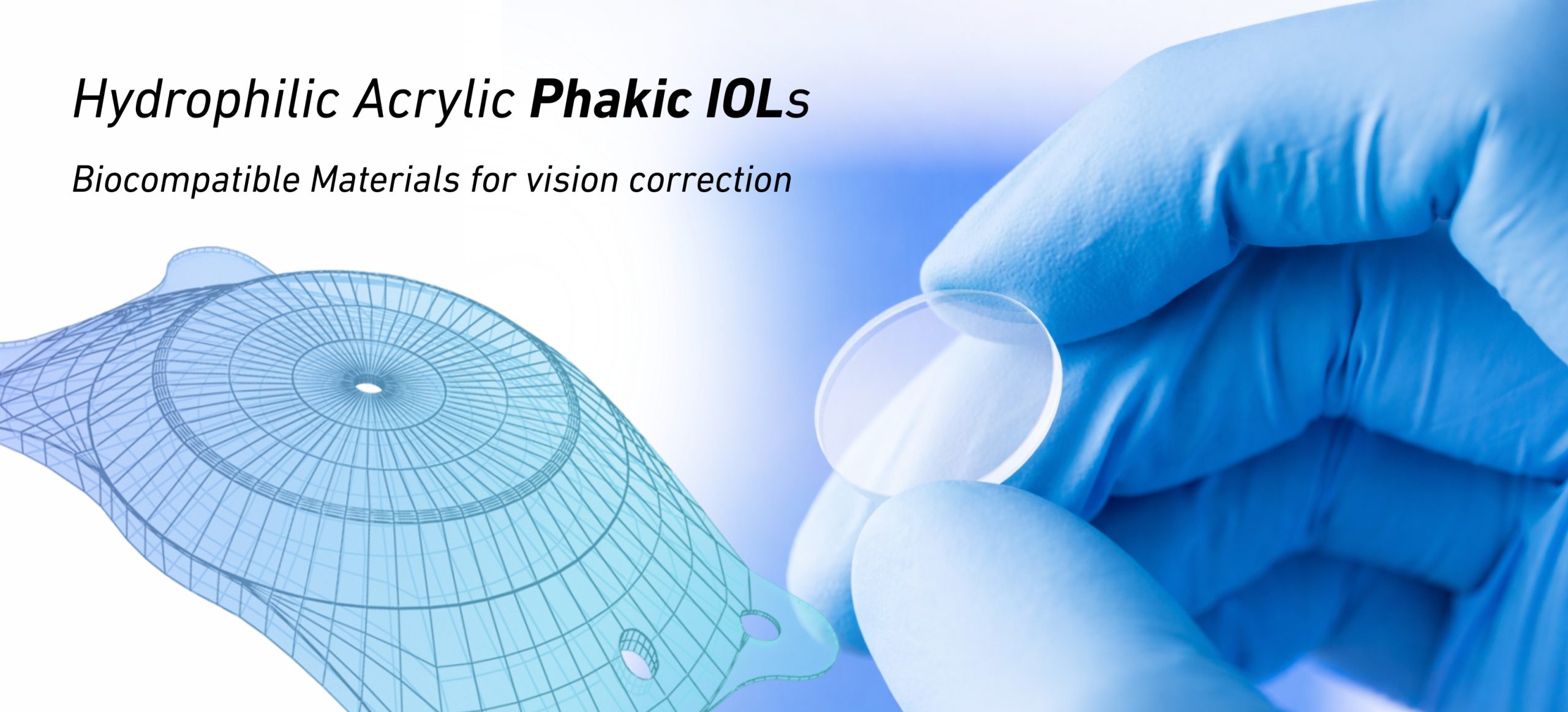
The eye maintains a delicate hydraulic balance through the continuous production and drainage of intraocular fluid, a process essential for maintaining proper vision and eye health. When considering vision correction options, understanding how phakic lenses interact with this natural fluid system becomes crucial for anyone exploring alternatives to glasses or contact lenses. Phakic intraocular lenses represent an advanced surgical solution for correcting significant nearsightedness, yet their placement within the eye introduces new considerations for intraocular pressure management and fluid circulation patterns.
Unlike traditional refractive surgeries that reshape the cornea, phakic lenses work by adding a corrective lens inside your eye while preserving your natural crystalline lens. This approach offers powerful vision correction for those with high degrees of myopia, but it also means introducing a permanent structure into the eye’s fluid pathways. The relationship between these implanted lenses and the eye’s hydraulic system determines both the success of vision correction and the long-term health of your eyes. Understanding how phakic intraocular lens technology manages intraocular fluid flow helps you make informed decisions about this vision correction option and recognize the importance of ongoing monitoring after implantation.
Table of Contents
ToggleWhat is Intraocular Fluid Circulation? Basic Principles of Hydraulic Balance
The eye functions as a sophisticated hydraulic system where specialized fluid called aqueous humor continuously flows through internal chambers to maintain optimal pressure and nourish critical structures. This clear fluid originates from the ciliary body, a ring-shaped tissue located behind your iris, which actively produces aqueous humor throughout your waking hours. The fluid then flows forward through the pupillary opening, circulating around the lens and filling the anterior chamber between the cornea and iris before draining through specialized channels.
The hydraulic balance of your eye depends on maintaining equilibrium between fluid production and drainage rates. When this balance functions properly, intraocular pressure remains within healthy ranges, typically supporting the eye’s shape while allowing nutrients to reach the lens and cornea. The drainage system primarily relies on the trabecular meshwork, a sponge-like tissue located at the angle where the iris meets the cornea, which filters fluid before it exits through Schlemm’s canal into the bloodstream. Any disruption to this drainage pathway can cause pressure elevation, potentially leading to glaucoma and vision damage over time.
Understanding this natural fluid circulation system becomes especially important when considering phakic lenses, as these devices occupy space within the fluid pathways. The anterior chamber depth, the distance between your cornea and natural lens, determines how much room exists for both fluid flow and lens placement. Healthy eyes maintain this space through constant fluid renewal, with the entire volume of aqueous humor being replaced multiple times throughout each day. This continuous circulation not only regulates pressure but also removes metabolic waste products from structures that lack their own blood supply, making the hydraulic system essential for maintaining transparency and function of the cornea and lens.
How is the Phakic Lens Positioned in the Eye?
The placement of phakic intraocular lenses requires precise surgical technique to ensure the device sits in the optimal position without disrupting natural fluid pathways or touching delicate eye structures. Surgeons have developed specific positioning strategies based on lens design, with each approach offering distinct advantages for maintaining hydraulic balance while correcting vision effectively.
- Anterior Chamber Positioning: Some phakic lenses are designed to rest in the space between the cornea and iris, supported by the angle structures where fluid naturally drains. These angle-supported lenses require careful sizing to avoid compressing the trabecular meshwork, which could impede drainage and elevate intraocular pressure. The surgeon measures your anterior chamber dimensions precisely before surgery to select a lens that fits without creating excessive contact with surrounding tissues.
- Iris-Fixated Placement: Another positioning approach involves attaching the phakic lens directly to the iris tissue using specialized clips or fixation mechanisms. This design allows the lens to remain centered over your pupil while maintaining clearance from both the cornea in front and your natural lens behind. Iris-fixated lenses create minimal obstruction to fluid flow since they don’t occupy the drainage angle, though they do require healthy iris tissue capable of supporting the device securely over time.
- Posterior Chamber Location: The most anatomically conservative position places the phakic intraocular lens in the posterior chamber, the narrow space between your iris and natural crystalline lens. These posterior chamber lenses typically feature a vaulted design that creates an arch over your natural lens, maintaining a safe distance to prevent contact while allowing aqueous humor to flow freely through the pupillary opening. The vault height becomes critical for preventing pupillary block, a condition where fluid cannot pass normally between chambers.
- Peripheral Iridotomy Creation: Regardless of lens position, surgeons often create small openings in the peripheral iris to ensure alternative fluid pathways remain available. These iridotomies serve as safety channels that allow aqueous humor to bypass the pupillary space if the phakic lens position ever restricts normal flow, helping prevent acute pressure elevations that could damage the optic nerve.
How Do Phakic Lenses Interact with Intraocular Pressure and Fluid Flow?
The introduction of phakic lenses into the eye’s internal environment creates new physical dynamics that can influence how aqueous humor circulates and how intraocular pressure responds to natural fluctuations throughout the day. Understanding these interactions helps explain why careful patient selection and ongoing monitoring remain essential components of successful phakic intraocular lens implantation. The lens material itself, typically composed of biocompatible plastics or silicone, does not actively interfere with fluid production, but its physical presence alters the geometry of fluid pathways in ways that vary depending on design and positioning.
When positioned in the anterior chamber, phakic lenses occupy space that normally contains freely flowing aqueous humor, potentially reducing the volume available for fluid circulation. This volume displacement generally has minimal impact in eyes with adequate anterior chamber depth, but in eyes with shallower chambers, even small reductions in space can affect how efficiently fluid reaches the drainage structures. The lens edges and haptics, the supporting arms that hold the device in position, must be designed to avoid direct contact with the trabecular meshwork, as compression of this delicate drainage tissue can significantly impair outflow and elevate pressure over time.
Posterior chamber phakic intraocular lenses interact with fluid flow primarily through their effect on the pupillary space, the natural opening through which aqueous humor passes from the posterior chamber to the anterior chamber. The vault design of these lenses creates a specific relationship with your iris and natural lens, and if the vault height proves insufficient, the lens may rest too close to your natural lens or even contact it. Conversely, excessive vault can push the iris forward, narrowing the angle and potentially restricting drainage. The ideal vault maintains adequate clearance while preserving normal pupillary fluid circulation, preventing pupillary block scenarios where pressure builds up behind the iris.
The hydraulic balance in eyes with phakic lenses also depends on how the eye responds to natural pressure variations that occur with blinking, eye movement, and changes in body position. Healthy eyes accommodate these fluctuations through the elasticity of ocular tissues and the responsiveness of drainage channels. With a phakic lens in place, the eye must maintain this adaptive capacity despite the presence of a rigid structure that doesn’t compress or expand with pressure changes. Most modern lens designs account for this by incorporating features that minimize resistance to fluid flow, but individual anatomical variations mean that some eyes adapt more successfully than others to the altered fluid dynamics.
Hydraulic Complications Encountered in Phakic Lens Implantation
While phakic intraocular lenses offer effective vision correction for many patients, their interaction with the eye’s hydraulic system can occasionally lead to complications that affect both intraocular pressure and overall eye health. Recognizing these potential issues helps patients and surgeons work together to minimize risks and respond promptly if problems develop after implantation. The most significant hydraulic complications stem from disruptions to normal fluid circulation patterns, which can manifest in various ways depending on lens type, positioning, and individual anatomical factors.
Pupillary block represents one of the most serious acute complications, occurring when aqueous humor cannot flow normally through the pupillary opening from the posterior chamber to the anterior chamber. This blockage causes fluid to accumulate behind the iris, pushing it forward and suddenly elevating intraocular pressure to dangerous levels. Posterior chamber phakic lenses with insufficient vault height pose the greatest risk for this complication, as the lens may create a seal against the iris that prevents fluid passage. Symptoms typically include severe eye pain, blurred vision, and seeing halos around lights, requiring immediate medical attention to prevent permanent damage to the optic nerve.
Chronic angle narrowing develops more gradually when a phakic lens causes subtle forward displacement of the iris, progressively reducing the space where fluid drains from the eye. Unlike acute pupillary block, this condition may produce no immediate symptoms, making it detectable only through regular monitoring of angle anatomy and intraocular pressure measurements. Over time, the narrowed angle increases glaucoma risk as drainage efficiency declines, potentially leading to irreversible vision loss if left unaddressed. Anterior chamber lenses that are oversized or positioned too far forward pose particular risk for this complication, emphasizing the importance of precise preoperative measurements and appropriate lens selection.
Pigment dispersion and inflammatory responses can also affect the hydraulic balance following phakic intraocular lens implantation. When the lens edges or haptics make contact with the iris, mechanical friction can release pigment particles that circulate in the aqueous humor and potentially clog the trabecular meshwork, reducing drainage capacity. Similarly, if the eye perceives the lens as a foreign object, inflammatory cells may accumulate in the aqueous humor, creating debris that interferes with normal outflow pathways. These complications typically respond to anti-inflammatory medications, but persistent inflammation may require lens repositioning or removal to restore proper fluid circulation disorder resolution.
Contact between the phakic lens and the natural crystalline lens represents another hydraulic concern, particularly with posterior chamber designs. When the vault proves inadequate, the phakic lens may rest against your natural lens, potentially accelerating cataract formation and altering the normal fluid flow around the lens capsule. This contact can also create localized areas of reduced circulation, affecting the metabolic health of lens fibers and potentially compromising the transparency essential for clear vision. Regular monitoring helps detect early signs of lens-to-lens contact, allowing for intervention before significant complications develop.
Precautions to Take in Phakic Lens Implantation to Reduce the Risk of Glaucoma
Minimizing glaucoma risk in patients receiving phakic intraocular lenses requires comprehensive preoperative assessment, meticulous surgical technique, and vigilant postoperative monitoring to ensure the eye’s hydraulic balance remains stable over time. Surgeons employ multiple strategies to identify patients who can safely accommodate these lenses while implementing protective measures that preserve drainage function and prevent pressure-related complications. Understanding these precautions helps patients appreciate the thoroughness required for successful outcomes and the importance of their participation in long-term care.
Preoperative evaluation begins with detailed measurements of anterior chamber depth, angle anatomy, and baseline intraocular pressure to determine whether your eye structure provides adequate space for phakic lens placement without compromising drainage pathways. Gonioscopy, a specialized examination technique using a mirrored lens, allows the surgeon to visualize the angle structures directly and assess how much room exists between the iris and cornea. Eyes with naturally narrow angles or shallow anterior chambers may not be suitable candidates for certain phakic intraocular lens designs, as the additional structure could push the system toward angle closure and elevated pressure. Some surgeons establish minimum depth requirements to ensure sufficient space for both the lens and continued healthy fluid circulation.
Prophylactic peripheral iridotomy, creating small openings in the iris before or during phakic lens implantation, serves as a critical safety measure against pupillary block complications. These strategically placed openings provide alternative pathways for aqueous humor to flow between the posterior and anterior chambers, ensuring that even if the lens position temporarily restricts the pupillary opening, fluid can still circulate adequately to prevent dangerous pressure spikes. Most surgeons consider iridotomy essential for posterior chamber phakic lenses, though some also recommend it for anterior chamber designs as an additional precaution. The openings remain permanently functional, offering ongoing protection throughout the life of the implant.
Precise lens sizing represents another crucial precaution, as both undersized and oversized lenses can create hydraulic problems that increase glaucoma risk. Undersized lenses may rotate or decenter, potentially creating intermittent obstruction of fluid pathways, while oversized lenses can compress angle structures or vault excessively, pushing the iris forward. Modern sizing techniques combine multiple measurements, including white-to-white corneal diameter, anterior chamber depth, and sometimes advanced imaging of internal eye dimensions, to select the lens size most likely to achieve optimal positioning. Some surgeons use mathematical formulas or nomograms that account for individual anatomical variations, improving the accuracy of size selection beyond simple measurement alone.
Postoperative monitoring protocols establish regular checkpoints for assessing intraocular pressure, angle anatomy, and lens position to detect any gradual changes that might signal developing hydraulic complications. Initial follow-up visits occur frequently to catch acute problems like pupillary block or inflammatory responses, while long-term monitoring continues at regular intervals throughout the life of the phakic intraocular lens. These examinations include pressure measurements, gonioscopy to evaluate angle openness, and often imaging studies that document lens vault and position relative to surrounding structures. Patients play an essential role by attending scheduled appointments and reporting any symptoms like vision changes, eye pain, or seeing halos around lights that might indicate pressure elevation or other complications requiring prompt attention.
Long-Term Fluid Circulation Monitoring Methods in Eyes with Phakic Lens Implantation
Maintaining the hydraulic balance in eyes with phakic intraocular lenses requires ongoing surveillance using specialized diagnostic techniques that track intraocular pressure, drainage function, and anatomical relationships over time. These monitoring methods help detect subtle changes before they progress to vision-threatening complications, making them essential components of responsible long-term care following phakic lens implantation. Understanding the purpose and process of each monitoring technique helps patients appreciate why regular follow-up remains important even when vision seems stable and comfortable.
- Serial Tonometry Measurements: Regular intraocular pressure checks using various tonometry techniques provide the foundation for detecting pressure elevation that might indicate drainage problems. Your eye care provider measures pressure at each visit, comparing results over time to identify trends that might suggest gradually declining drainage efficiency. Some patients benefit from pressure checks at different times of day, as intraocular pressure naturally fluctuates and peak pressures might occur outside typical office hours. Consistent pressure measurements over time establish your personal baseline, making it easier to recognize significant deviations that warrant closer investigation or intervention.
- Gonioscopic Angle Assessment: Periodic examination of the drainage angle using gonioscopy lenses allows direct visualization of the trabecular meshwork and assessment of angle width in eyes with phakic lenses. This technique helps identify progressive angle narrowing that might not yet cause pressure elevation but indicates increasing glaucoma risk over time. The examiner can also evaluate whether the phakic intraocular lens position has shifted or whether iris tissue has changed in ways that affect drainage access. Comparing gonioscopy findings across multiple visits reveals whether the angle anatomy remains stable or shows concerning trends toward closure.
- Anterior Segment Imaging: Advanced imaging technologies including optical coherence tomography and ultrasound biomicroscopy create detailed cross-sectional views of anterior chamber anatomy, documenting the precise position of the phakic lens relative to surrounding structures. These images measure vault height in posterior chamber lenses, assess clearance between anterior chamber lenses and the corneal endothelium, and evaluate the relationship between the lens and iris. Serial imaging over time tracks whether the lens position remains stable or whether gradual changes in vault or centration might affect fluid circulation patterns. Some imaging systems can even visualize aqueous humor flow dynamics, providing direct evidence of how fluid moves through the modified anatomy.
- Visual Field Testing: While not directly measuring hydraulic balance, periodic visual field examinations detect functional changes that might result from chronic pressure elevation or drainage problems affecting the optic nerve. These tests map your peripheral vision, identifying blind spots or areas of reduced sensitivity that could indicate glaucomatous damage developing despite seemingly normal pressure readings. Early detection of visual field changes allows for intervention before significant vision loss occurs, making this monitoring method crucial for long-term eye health in patients with phakic intraocular lenses.
- Endothelial Cell Counting: The corneal endothelium, a single layer of cells lining the inner cornea, can be affected by phakic lenses positioned too close to the cornea or by chronic inflammation affecting intraocular fluid quality. Regular endothelial cell counts track whether this critical cell population remains stable or shows progressive loss that might eventually compromise corneal clarity. Declining cell counts may prompt lens repositioning or removal to prevent permanent corneal damage, making this monitoring method important for preserving long-term visual quality beyond just pressure control.
Development of Phakic Lens Technology and Strategies for Adapting to Hydraulic Balance
The evolution of phakic intraocular lens design reflects growing understanding of how these devices interact with the eye’s hydraulic balance and ongoing efforts to minimize complications while maximizing vision correction effectiveness. Modern lens technologies incorporate features specifically engineered to preserve natural fluid circulation patterns, reduce intraocular pressure risks, and accommodate individual anatomical variations that affect how eyes respond to implanted structures. These advances demonstrate the field’s commitment to improving safety profiles while maintaining the powerful vision correction that makes phakic lenses valuable alternatives to corneal refractive surgery.
Contemporary posterior chamber phakic lens designs feature central holes or ports that allow aqueous humor to flow directly through the lens optic, eliminating the need for fluid to pass exclusively around the lens edges or through the pupillary space. This design innovation significantly reduces pupillary block risk by ensuring multiple pathways remain available for fluid circulation even if the lens vaults higher than intended or if the pupil constricts tightly. The central port also helps equalize pressure between the posterior and anterior chambers more efficiently, reducing the likelihood of pressure gradients that could push the iris forward or create angle narrowing. Clinical studies tracking eyes with these newer designs show lower rates of pressure-related complications compared to earlier lens generations without flow-through features.
Material science advances have produced phakic intraocular lens materials with improved biocompatibility that generate less inflammatory response and reduced tendency to stimulate pigment release from iris contact. These newer materials maintain optical clarity while exhibiting surface properties that discourage protein deposition and cellular adhesion, helping preserve clear intraocular fluid quality over time. Some materials incorporate ultraviolet-blocking properties that protect internal eye structures while maintaining transparency for visible light, addressing concerns beyond just hydraulic balance to support overall long-term eye health. The reduced inflammation associated with modern materials translates to lower risk of inflammatory debris clogging drainage pathways and affecting intraocular pressure control.
Customization strategies now allow surgeons to select from broader ranges of lens sizes, powers, and designs to match individual eye anatomy more precisely than earlier standardized options permitted. Some manufacturers offer lenses in multiple vault configurations, allowing selection of the arch height most appropriate for your specific anterior chamber depth and natural lens position. This customization reduces the likelihood of vault-related complications, whether from excessive height pushing the iris forward or insufficient height allowing lens-to-lens contact. Advanced preoperative imaging and calculation methods help predict which lens parameters will achieve optimal positioning in your specific eye, improving outcomes by accounting for individual variations in hydraulic balance requirements.
Future developments in phakic lens technology focus on creating even more sophisticated designs that actively adapt to changing eye conditions or incorporate sensors that monitor intraocular pressure continuously. Researchers explore materials with adjustable optical properties that could allow post-implantation power modifications without additional surgery, potentially extending the useful life of these devices as natural age-related changes affect eye anatomy. Some experimental designs investigate incorporating microfluidic channels that actively facilitate aqueous humor circulation, moving beyond passive accommodation of fluid flow toward active support of hydraulic balance. While these advanced concepts remain in development, they illustrate the ongoing commitment to refining phakic intraocular lens technology to work harmoniously with the eye’s natural systems while providing excellent vision correction for patients seeking alternatives to glasses and contact lenses.
