
Blog

  • Why is there no edge blurring with phakic lenses?

    Many people considering vision correction wonder about the visual quality they can expect after phakic lenses implantation. One common concern involves edge blurring or glare that might affect nighttime vision or overall visual comfort. Understanding why phakic lenses typically avoid...
Light Refraction: How Phakic Lenses Make Images Sharper

Light Refraction: How Phakic Lenses Make Images Sharper?

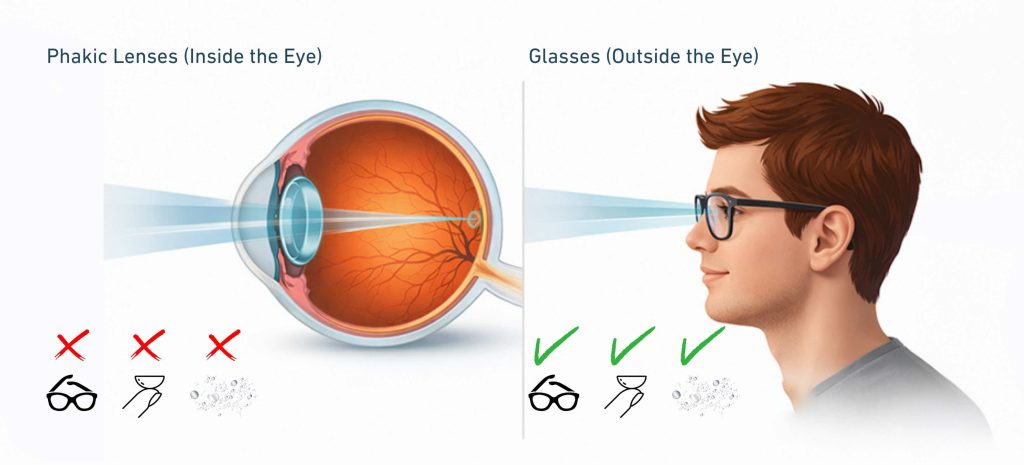
Clear vision depends on how accurately light enters your eye and focuses on the retina. When this natural process fails due to refractive errors, phakic lenses offer a permanent solution by correcting the way light bends inside your eye. Unlike

What is Contrast Sensitivity: The Difference in Image Clarity of Phakic Lenses

What is Contrast Sensitivity? The Difference in Image Clarity of Phakic Lenses

When considering vision correction options, understanding how phakic lenses affect your visual quality becomes essential. Contrast sensitivity represents your eye’s ability to distinguish between objects and their backgrounds, especially in challenging lighting conditions. Unlike simple visual acuity tests that measure

Preparing for Old Age: Are Phakic Lenses a Barrier to Cataract Surgery

Preparing for Old Age: Are Phakic Lenses a Barrier to Cataract Surgery?

Phakic lenses are innovative intraocular devices designed to correct significant refractive errors, particularly high degrees of nearsightedness, without removing the eye’s natural lens. For many individuals seeking freedom from glasses or contact lenses, phakic lenses offer a compelling solution that

Get Rid of the Shadows Caused by Astigmatism: Toric Phakic Lens Technology

Get Rid of the Shadows Caused by Astigmatism: Toric Phakic Lens Technology

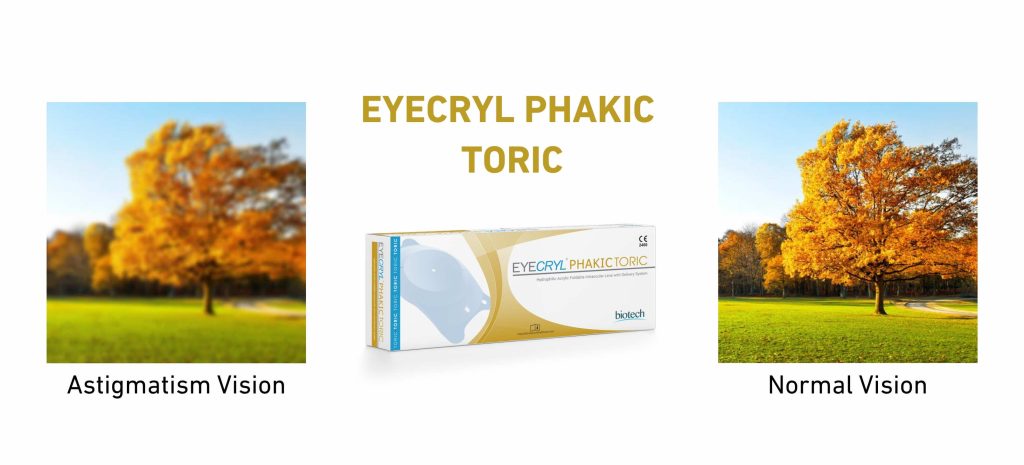
Astigmatism creates a frustrating visual experience where shadows, blurred edges, and distorted images interfere with daily life. For individuals seeking freedom from glasses and contact lenses, Toric Phakic Lens technology offers a transformative solution. Unlike traditional corrective methods, this advanced

Vision of the Future: Night and Day Optical Performance Analysis of Phakic Lenses

Vision of the Future: Night and Day Optical Performance Analysis of Phakic Lenses

Phakic lenses represent a transformative advancement in vision correction technology, offering individuals with significant refractive errors a permanent solution that preserves the eye’s natural lens. Unlike traditional refractive surgeries that reshape the cornea, phakic lenses are implanted directly into the

Why is there no edge blurring with phakic lenses

Why is there no edge blurring with phakic lenses?

Many people considering vision correction wonder about the visual quality they can expect after phakic lenses implantation. One common concern involves edge blurring or glare that might affect nighttime vision or overall visual comfort. Understanding why phakic lenses typically avoid

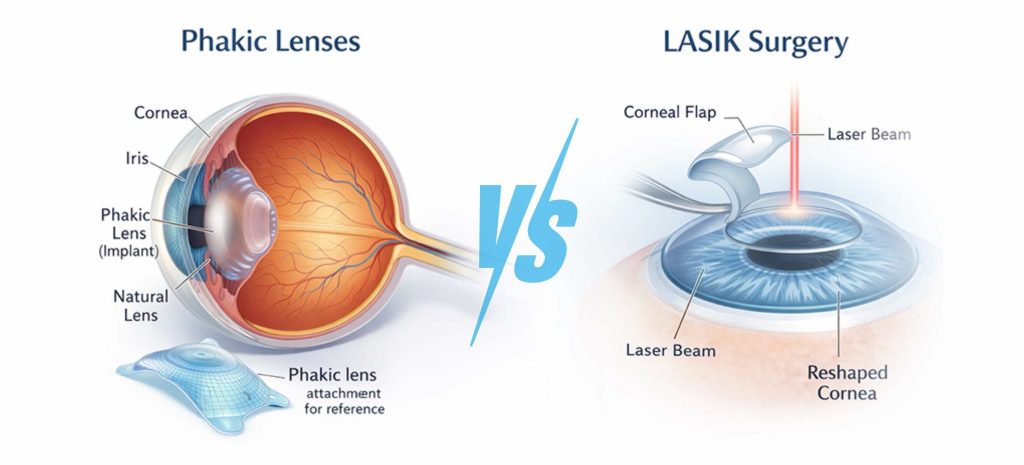
Phakic Lenses vs. LASIK: Keeping Your Cornea Untouched for Better Long‑Term Eye Health

LASIK or Phakic Lens? 5 Key Differences to Help You Decide

Choosing between vision correction procedures can feel overwhelming, especially when considering options like LASIK and phakic lenses. Both procedures aim to reduce your dependence on glasses or contact lenses, yet they work in fundamentally different ways. A phakic lens is

Logo Blue

EYECRYL Phakic IOL is one of the most advanced treatment for the correction of myopia, hyperopia and astigmatism. It combines a more natural approach by keeping your cornea unaltered and a crisp vision. A unique reversible treatment that allows for the implant to be remove any time. EYECRYL Phakic IOL with its access to innovation approach allows the phakic solution to be available for most patients.

Follow us

What is the Dry Eye Syndrome?

Dry eye syndrome is the condition of having dry eye which may also be associated with irritation, redness, and easily fatigued eyes. These symptoms can range from mild and occasional to severe and continuous.

Dry eye occurs when either the eye does not produce enough tears or when the tears evaporate too quickly. This can result from many causes which includes the use of contact lens and the correction of myopia and astigmatism with LASIK laser surgery.

This can result from many causes which includes the use of contact lens and the correction of myopia, hyperopia and astigmatism with LASIK laser surgery.

Dry eye syndrome is a chronic condition.